
hilo hawaii things to do include watching Rainbow Falls tumble into a lava-rock gorge, tasting tropical fruit at Hilo Farmers Market, walking through Liliʻuokalani Gardens, exploring Kaūmana Caves, and using the town as a base for ʻAkaka Falls and Hawaiʻi Volcanoes National Park. For a first visit, spend one day exploring Hilo proper and the Keaukaha coast, add the Hāmākua Coast on your second day, and reserve a separate day for the national park. This simple plan prevents the biggest Hilo travel mistake: treating attractions scattered across Hawaiʻi Island as if they were only minutes apart.
Hilo feels different from the resort-oriented areas of Hawaiʻi. Frequent rain keeps the landscape intensely green, while historic storefronts, family-run food businesses, botanical gardens, museums, and working farms encourage you to slow down between the famous waterfalls. You do not need perfect sunshine—or a visible volcanic eruption—to have a memorable visit.
Best Things to Do in Hilo at a Glance
| Attraction | Area | Time Needed | Cost Level | Best For |
|---|---|---|---|---|
| Rainbow Falls | Hilo proper | 20–30 minutes | Free | First-time visitors |
| Hilo Farmers Market | Downtown Hilo | 45–90 minutes | Free to browse | Food and local culture |
| Liliʻuokalani Gardens | Hilo Bay | 45–60 minutes | Free | Easy walks and photography |
| Kaūmana Caves | Hilo | 30–45 minutes | Free | Geology and adventure |
| Carlsmith Beach Park | Keaukaha coast | 1–2 hours | Free | Picnics and possible honu sightings |
| ʻAkaka Falls | North of Hilo | 60–90 minutes | Paid | Rainforest and waterfalls |
| Hawaiʻi Tropical Botanical Garden | Onomea | 1.5–2 hours | Paid | Plants and photography |
| Hawaiʻi Volcanoes National Park | South of Hilo | Full day | Paid | Hiking and volcanic scenery |
If you have only one day, stay close to Hilo instead of attempting to cross the island. A rewarding route can include the farmers market, Rainbow Falls, downtown, Liliʻuokalani Gardens, and one Keaukaha beach park.
What to Know Before Exploring Hilo
Hilo and “Near Hilo” Are Not the Same Place
Hawaiʻi Island is large, and many attraction lists hide that reality. The easiest way to plan your trip is to divide the region into five zones:
- Hilo proper: Downtown, Rainbow Falls, museums, ʻImiloa, and Kaūmana Caves
- Hilo Bay and Keaukaha: Liliʻuokalani Gardens, Banyan Drive, and coastal parks
- Hāmākua Coast: Pepeʻekeo, Onomea, and ʻAkaka Falls
- Puna: Pāhoa and the changing volcanic coastline southeast of Hilo
- Volcano: Hawaiʻi Volcanoes National Park, approximately 45 minutes south in normal conditions
Places such as Waipiʻo Valley Lookout, Pololū Valley, Punaluʻu Black Sand Beach, and Papakōlea Green Sand Beach may appear in Hilo travel guides, but they are not quick local stops. Include them in a broader Big Island road trip rather than an already busy Hilo itinerary.
How Many Days Do You Need in Hilo?
One full day is enough to see Hilo’s main town attractions. Two days provide a better experience because you can add ʻAkaka Falls and the Onomea coast without rushing. With three days, you can devote an entire day to Hawaiʻi Volcanoes National Park.
Stay longer if you enjoy botanical gardens, museums, farm tours, local food, or slow scenic drives. Hilo becomes less rewarding when treated as a hurried checklist between Kona and the volcano.
Do You Need a Rental Car?
Downtown Hilo is walkable, but the wider destination is not. Rainbow Falls, Kaūmana Caves, Keaukaha, ʻAkaka Falls, and the national park are much easier to reach by car.
A guided tour may be more practical if you are visiting from a cruise ship, prefer not to drive in rain, or want expert interpretation at volcanic sites.
If you rent a car, group attractions by direction. Avoid driving north to ʻAkaka Falls, returning through Hilo, and then continuing south to the national park during the same rushed day.
Rain Does Not Have to Ruin Your Day
Hilo’s rainfall creates its waterfalls and lush rainforest, so occasional showers are part of the experience. Carry a lightweight waterproof jacket and keep your schedule flexible.
Short showers can be a good time for lunch, shopping, or a museum visit. Persistent rain makes attractions such as ʻImiloa Astronomy Center, the Pacific Tsunami Museum, Lyman Museum, downtown galleries, and local cafés more appealing.
Heavy rain is different from a brief tropical shower. It can affect trails, visibility, rivers, caves, and coastal water. Check current conditions rather than assuming an attraction is safe because it appeared in an older travel guide.
Can You See Active Lava From Hilo?
Hilo is a convenient base for visiting Hawaiʻi Volcanoes National Park, but visible lava is never guaranteed. Kīlauea’s activity can begin, pause, or change quickly. Volcanic gas, road construction, limited parking, and temporary closures can also affect your visit.
Check updates from the National Park Service and USGS Hawaiian Volcano Observatory on the day you travel. Build a national park itinerary that remains worthwhile without an eruption. Crater views, steam vents, native forest, historic lava fields, and Chain of Craters Road provide plenty to experience.
Things to Do in Hilo Proper
1. See Rainbow Falls Without Losing Half the Day
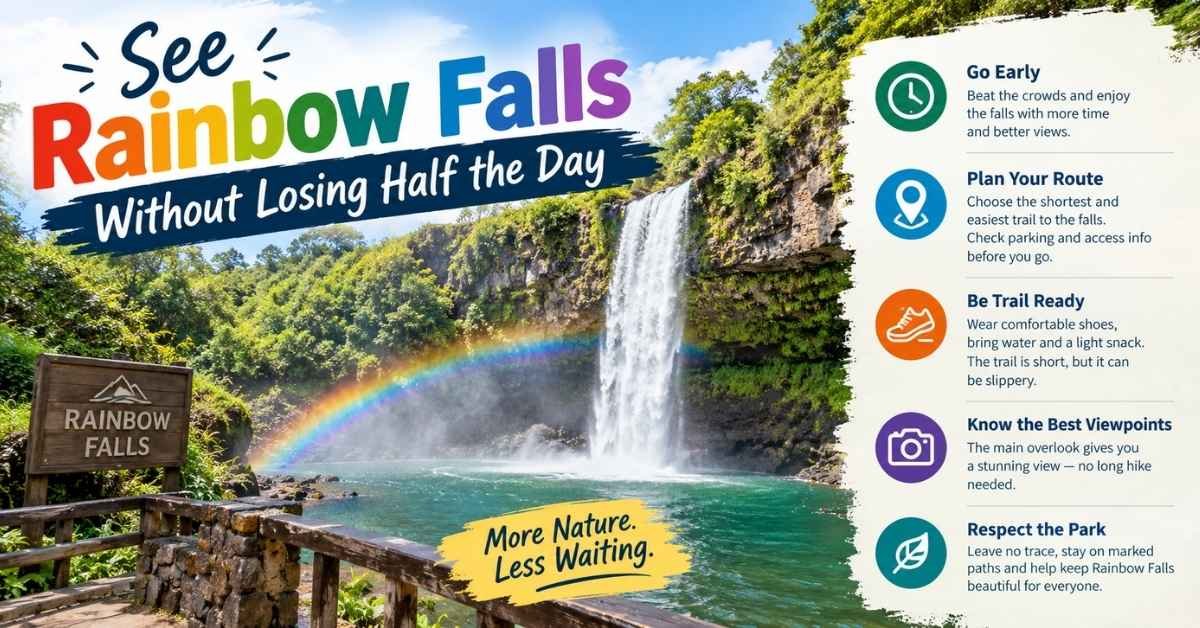
Rainbow Falls, known as Waiānuenue, drops roughly 80 feet over a lava cave on the Wailuku River. Its biggest advantage is accessibility from central Hilo. You can reach the main viewpoint after a very short walk from the parking area.
Sunny mornings sometimes produce a rainbow in the waterfall’s mist, but consider that a possibility rather than a promise. Rainfall also changes the appearance of the falls. It may look broad and powerful after wet weather or gentler during a drier period.
Most visitors need 20 to 30 minutes unless they stop for photography. Pair Rainbow Falls with downtown Hilo or Kaūmana Caves.
Best for: First-time visitors, families, and travellers with limited time Common mistake: Waiting for a guaranteed rainbow or describing the stop as a substantial hike
2. Browse Hilo Farmers Market
Hilo Farmers Market offers one of the best introductions to the town’s agricultural character. Depending on the season and vendors, stalls may carry papaya, rambutan, avocado, lilikoi products, tropical flowers, prepared food, crafts, honey, and locally grown vegetables.
The market operates on multiple days, but Wednesday and Saturday are generally associated with the largest selection. Confirm the current schedule before planning your visit.
Arriving early usually gives you more choice and cooler temperatures. A later visit may offer fewer vendors but a more relaxed experience.
Carry some cash, although many vendors accept cards. Ask before photographing people or close-up displays. Buying fruit or a snack directly from a local seller creates a more meaningful experience than treating the market as a photo stop.
Time needed: 45–90 minutes Pair it with: Downtown shops, murals, museums, and lunch
3. Walk Through Liliʻuokalani Gardens
Liliʻuokalani Gardens occupies approximately 30 landscaped acres beside Hilo Bay. Fishponds, arched bridges, stone lanterns, and carefully framed views create a quiet contrast to the waterfalls and lava fields found elsewhere on the island.
The garden also deserves cultural context. It honours the Japanese immigrant community that played an important role in Hawaiʻi Island’s history.
Walk slowly and notice the relationship between the garden, surrounding landscape, and Hilo Bay. Avoid treating the grounds merely as a background for photographs.
Its paths make this one of the best easy walks in Hilo, although current accessibility and surface conditions should still be checked. Late afternoon can be especially pleasant when temperatures begin to cool.
Time needed: 45–60 minutes Pair it with: Banyan Drive and the Hilo Bay waterfront
4. Explore Downtown Hilo Beyond the Market
Downtown Hilo rewards unhurried wandering. Historic wooden storefronts contain restaurants, galleries, cafés, bookshops, and locally owned businesses. Colourful murals add personality, while weathered façades make the district feel lived-in rather than manufactured for visitors.
Begin near Hilo Farmers Market, continue along Kamehameha Avenue, and allow time to follow whatever interests you. One visitor may spend an hour exploring public art, while another may devote that time to coffee, records, books, or local crafts.
Hilo is sometimes promoted as the “authentic” side of the island. A more useful description is that downtown remains a working community centre. Shop respectfully, avoid photographing residents as scenery, and support businesses that keep money within the local economy.
Time needed: 1–3 hours, depending on your shopping and food stops
5. Understand Hilo at the Pacific Tsunami Museum
Hilo’s relationship with the ocean cannot be understood through beach parks alone. Tsunamis have profoundly shaped the waterfront and the community’s collective memory.
The Pacific Tsunami Museum uses historical accounts, photographs, scientific information, and educational displays to explain that history. This is not merely a rainy-day backup. It helps you understand why parts of the Hilo bayfront look and function as they do.
Personal accounts also prevent natural hazards from becoming abstract facts. Allow approximately an hour and verify current opening days before visiting.
Best for: History, education, and visitors who want context beyond scenery Pair it with: Downtown Hilo and the farmers market
6. Visit Lyman Museum and Mission House
Lyman Museum brings together the natural and human history of Hawaiʻi Island. Exhibits commonly explore geology, island ecosystems, cultural objects, and the development of the local community. The associated mission house adds another historical layer.
Because the museum covers several subjects, it works well for families and groups with different interests. One person may focus on volcanic geology, while another may be more interested in social history.
Check whether tours, galleries, and the mission house operate on different schedules.
Time needed: 60–90 minutes Pair it with: Downtown Hilo or the Pacific Tsunami Museum
7. Connect Hawaiian Navigation and Astronomy at ʻImiloa
ʻImiloa Astronomy Center explains astronomy through both modern science and Hawaiian knowledge. Its greatest strength is the connection between wayfinding, language, culture, and the night sky.
This approach provides more depth than treating Maunakea solely as an observatory location. Interactive exhibits and planetarium programmes make ʻImiloa especially useful for families, curious adults, and rainy-day visitors.
Programme schedules can change, so confirm current opening days and showtimes before arriving.
ʻImiloa also prepares you to think more carefully about Maunakea. The mountain has global scientific importance, but it also holds deep cultural and spiritual meaning for Native Hawaiians.
Time needed: 2–3 hours Best for: Families, culture, science, and wet-weather planning
8. Enter Kaūmana Caves Carefully
Kaūmana Caves offers a look inside a lava tube formed by Mauna Loa’s 1881 lava flow. After descending into the opening, you can see vegetation spilling toward the natural skylight and examine how flowing lava shaped the tunnel.
This is not a polished show cave. Surfaces can be dark, wet, sharp, and uneven. Wear secure closed-toe shoes and carry a proper headlamp instead of depending only on your phone’s flashlight.
Turn around before the terrain exceeds your experience or confidence. Public access covers only part of the lava tube. Other sections pass beneath private property, and visitors must respect all boundaries.
Travellers with poor balance, unsuitable footwear, or limited mobility can still appreciate the cave entrance from a safer position without venturing deeply underground.
Time needed: 30–45 minutes Common mistake: Entering without sufficient light, grip, or awareness of private property
9. Visit Panaʻewa Rainforest Zoo and Gardens
Panaʻewa Rainforest Zoo and Gardens is an appealing family attraction in a tropical environment. Its combination of animals, plants, and manageable size makes it easier to include in a Hilo itinerary than a large mainland-style zoo.
Admission has traditionally been free, but operating hours, animal exhibits, and programmes can change. Check current information before visiting and do not assume that animals mentioned in older guides remain part of the collection.
The zoo works particularly well when children need a break from long drives, waterfalls, and scenic overlooks.
Time needed: 60–90 minutes Pair it with: ʻImiloa Astronomy Center or a southbound journey
10. Slow Down at Wailoa River State Recreation Area
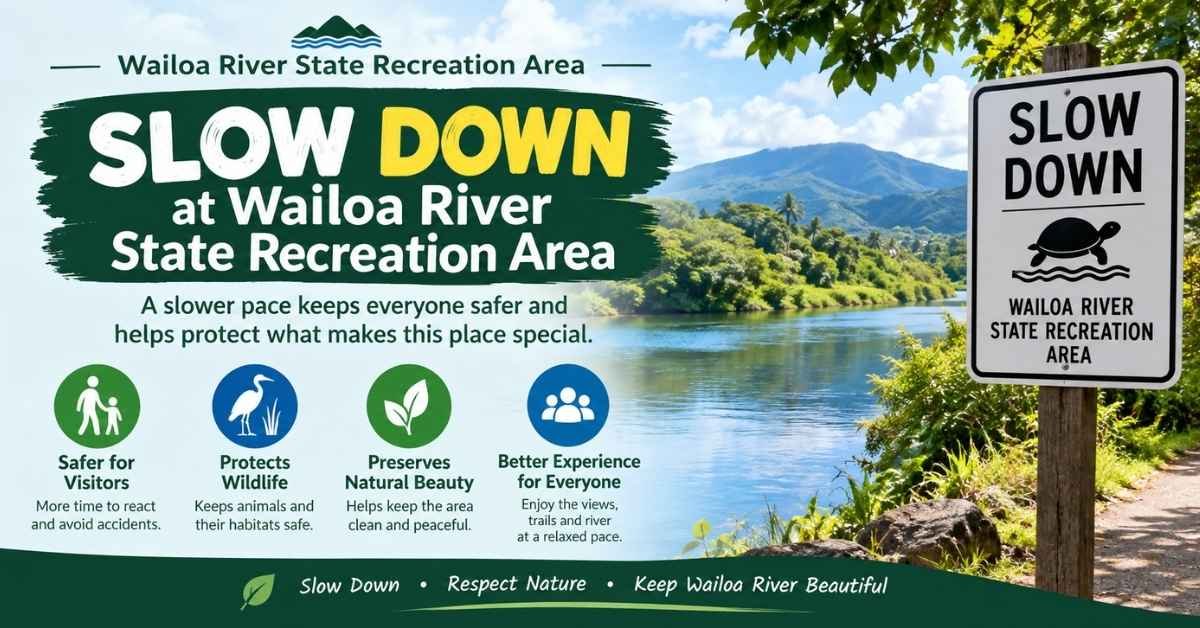
Wailoa River State Recreation Area provides open lawns, water views, picnic space, and an easy break close to downtown. The large King Kamehameha statue is a prominent feature, but the park is most valuable as breathing room within a busy day.
It will not compete with ʻAkaka Falls for dramatic scenery. That is precisely the point. Families can reset, couples can take a quiet walk, and anyone carrying food from the farmers market can stop for a picnic.
Time needed: 30–60 minutes Best for: Picnics, gentle walks, and unhurried itineraries
11. Taste Hilo Through Its Local Food
Food is not an interruption to sightseeing in Hilo. It is an essential part of the destination.
Fresh mochi, shave ice, tropical fruit, macadamia-nut pancakes, locally brewed drinks, and island-made chocolate connect the town with surrounding farms and family businesses.
Popular establishments can develop long queues or sell out. If a business accepts advance orders, consider using that option instead of organising your entire day around waiting in line.
Leave room for discovery as well. A small market stall or bakery that fits your route may create a better memory than driving across town to reproduce another traveller’s food checklist.
Follow a simple rule: choose one planned local institution and one spontaneous food stop. This provides direction without turning your day into a queue-to-queue itinerary.
Beaches and Coastal Parks Near Hilo
Hilo’s coast is volcanic and often looks very different from the broad, pale beaches shown in resort advertising. Lava rocks, spring-fed lagoons, and pockets of dark sand create beautiful environments, but daily conditions can change.
Check the surf, weather, and posted warnings before entering the water. Never touch, feed, chase, surround, or crowd honu, the Hawaiian green sea turtles. A wildlife sighting is a privilege, not an attraction that can be guaranteed.
12. Watch for Honu at Carlsmith Beach Park
Carlsmith Beach Park is known for clear-looking lagoons surrounded by lava rock rather than a conventional sandy beach. Freshwater mixing with seawater can make the temperature feel unexpectedly cool.
Honu sometimes enter the area, but plan your visit around the beautiful setting—not a promised turtle encounter. Give wildlife plenty of space on land and in the water. If an animal changes direction because of your presence, you are probably too close.
The park is popular for swimming and picnics when conditions cooperate. Wear suitable water shoes, secure your valuables, and examine the entry points before entering.
Time needed: 1–2 hours Best for: Picnics, gentle coastal time, and possible wildlife observation
13. See the Volcanic Shoreline at Richardson Ocean Park
Richardson Ocean Park offers dark volcanic sand, lava rock, coastal vegetation, and possible snorkelling when water conditions permit. It is one of the most visually distinctive places along the Keaukaha coast.
Do not choose Richardson simply because an article calls it a snorkelling destination. Visibility, currents, weather, and your swimming ability all matter.
Read posted information and observe the water before entering. The rocky environment also makes appropriate footwear useful.
Time needed: 1–2 hours Pair it with: Carlsmith Beach Park or another Keaukaha coastal stop
Learn More: Basel Switzerland Things to Do: 25 Best Experiences
14. Visit Onekahakaha Beach Park With Younger Children
Onekahakaha Beach Park is often considered by families because its protected sections can feel less exposed than the open coast. However, shallow-looking water does not remove the need for close supervision and a daily safety check.
The park suits families who value facilities and a relaxed local atmosphere more than dramatic snorkelling. Strong swimmers and travellers seeking wilder coastal scenery may prefer another location.
Time needed: 1–2 hours Best for: Young families and picnics when conditions are appropriate
15. Follow Banyan Drive Around Hilo Bay
Banyan Drive connects hotels, bay views, and several easy waterfront stops. It pairs naturally with Liliʻuokalani Gardens and offers a low-effort way to end your afternoon.
Moku Ola, commonly known as Coconut Island, sits just offshore. Access has previously been affected by bridge problems, so check current county notices before including it in your itinerary. If the island is inaccessible, enjoy the gardens and bayfront instead of organising your day around the crossing.
This is a pleasant area around sunset, although Hilo’s east-facing coast does not provide the classic ocean sunsets commonly associated with Kona.
Waterfalls and Gardens North of Hilo
The Hāmākua Coast deserves its own half-day or full-day outing. It combines rainforest, old roads, agricultural landscapes, coastal views, and some of Hawaiʻi Island’s most famous waterfalls.
16. Walk the Rainforest Loop at ʻAkaka Falls
ʻAkaka Falls plunges approximately 442 feet into a densely vegetated gorge. Reaching the main viewpoint involves a paved loop of about 0.4 miles, but paved does not mean completely accessible.
The route contains numerous steps and can become slippery in wet weather. Non-resident visitors should also expect entrance and parking charges. Fees, operating hours, and payment requirements can change, so confirm current details before leaving Hilo.
Allow 60 to 90 minutes, especially if you enjoy photographing tropical plants or need extra time on the steps.
Unlike Rainbow Falls, this experience includes a short rainforest walk. Visit both waterfalls if your schedule permits because they offer noticeably different experiences.
Best for: Waterfalls, rainforest scenery, and photography Skip it if: Numerous steps are unsuitable or you have only a brief stop in Hilo
17. Explore Hawaiʻi Tropical Botanical Garden
Hawaiʻi Tropical Botanical Garden descends through a lush valley toward Onomea Bay. Dense plant collections, streams, rainforest paths, and coastal scenery make it far more than a quick flower garden.
The terrain and humid weather matter. Wear shoes with reliable grip, carry water, and allow 90 minutes to two hours.
Visitors interested in plants or photography may consider the admission price one of the best investments of the day. Travellers who prefer wild hiking or have little interest in cultivated plant collections may choose the nearby scenic drive instead.
Confirm current access, admission, and mobility options before arriving. Combining the garden with ʻAkaka Falls creates a logical north-coast itinerary.
18. Drive the Pepeʻekeo Scenic Route
The old road through Pepeʻekeo exchanges highway speed for rainforest, small bridges, local properties, and occasional views towards the coast. It is short enough to include between Hilo and Onomea without consuming the entire day.
Drive slowly and patiently. The road is narrow in places and serves local homes, so avoid stopping where you could obstruct traffic, driveways, or private access.
The experience lies in the atmosphere rather than one famous viewpoint.
Time needed: Approximately 30–45 minutes without extended stops Pair it with: Hawaiʻi Tropical Botanical Garden and ʻAkaka Falls
19. Take a Farm Tour Near Hilo
The wet and fertile side of Hawaiʻi Island supports farms producing cacao, coffee, tea, vanilla, tropical fruit, and macadamia nuts. A well-organised farm tour can connect what you taste at Hilo Farmers Market with the land and labour behind it.
Choose a tour based on its educational depth rather than free samples alone. Look for information about:
- Growing and harvesting methods
- Group size
- Walking conditions
- Weather policies
- Tasting inclusions
- Accessibility
- Age restrictions
Most experiences require one to two hours, and advance reservations may be necessary.
Farm tours can work well in light rain, but outdoor sections may still change because of weather. Families should confirm terrain and minimum-age requirements before booking.
20. Drive the Hāmākua Coast—Then Know When to Turn Around
The Hāmākua Coast continues well beyond ʻAkaka Falls. Waterfalls, gulches, historic plantation communities, and green ocean cliffs make it tempting to continue driving, but the distance accumulates quickly.
If Hilo is your base for several nights, travelling towards Honokaʻa can be worthwhile. If you have only one day, make ʻAkaka Falls or Onomea your turnaround point.
Waipiʻo Valley Lookout and Pololū Valley belong in longer island itineraries, not as casual additions to an already crowded Hilo day.
Giving yourself permission to turn back is good travel planning. A relaxed dinner in Hilo is often more enjoyable than driving for another hour simply to add a distant viewpoint to your list.
The Best Full-Day Trip From Hilo
21. Spend a Day in Hawaiʻi Volcanoes National Park
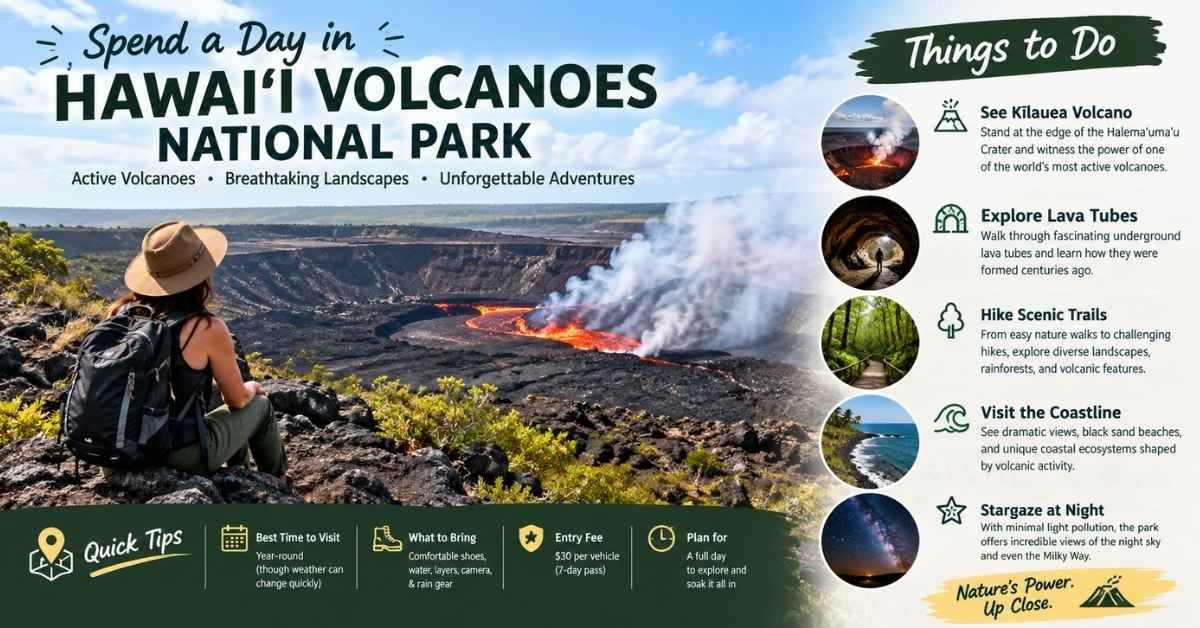
Hawaiʻi Volcanoes National Park is the most significant day trip from Hilo. The journey to the principal visitor area takes approximately 45 minutes in normal conditions, but the park deserves most of your day.
Begin by checking current alerts. Construction, volcanic gas, weather, road conditions, and eruption activity can affect your route. Parking at popular locations may fill, so an early departure usually provides more flexibility.
Depending on current access, a first visit may include crater viewpoints, steam vents, a walk through native forest, portions of Crater Rim Trail, and Chain of Craters Road.
Choose one meaningful walk rather than trying to complete every trail and overlook.
Kīlauea is not only a geological spectacle. It carries profound meaning in Native Hawaiian culture. Follow closures, stay on designated paths, and avoid removing rocks or treating culturally important places as photo props.
A Realistic Volcano Day From Hilo
- Check National Park Service and USGS updates before leaving.
- Depart Hilo early to avoid the busiest parking periods.
- Begin with visitor orientation and current ranger recommendations.
- Choose one principal trail based on the weather and volcanic gas.
- Visit accessible crater viewpoints and steam features.
- Continue along Chain of Craters Road if time and conditions permit.
- Return to Hilo before fatigue makes the drive uncomfortable.
Should You Self-Drive or Book a Guided Tour?
| Choose Self-Drive When… | Choose a Guided Tour When… |
|---|---|
| You want maximum flexibility | You are visiting from a cruise ship |
| You already have a rental car | You want geological and cultural interpretation |
| You are comfortable checking alerts | You prefer not to navigate in changing weather |
| You want to select your own trails | Transport certainty matters more than independence |
A tour should provide expertise or logistical confidence, not merely transportation to places you could comfortably reach alone.
Unusual Things to Do in Hilo
Attend the Merrie Monarch Festival
The Merrie Monarch Festival is one of Hilo’s most important cultural events. It celebrates hula through competition, exhibitions, and community activities.
This is not a casual performance created for tourists. Its cultural importance reaches far beyond entertainment.
The festival usually creates intense demand for flights, accommodation, and tickets. If your visit coincides with it, plan considerably earlier than you would for an ordinary trip and learn the expectations surrounding individual events.
Watch Surfers at Honoliʻi Beach Park
Honoliʻi Beach Park is better approached by many visitors as a place to watch experienced surfers rather than an automatic swimming destination.
The river mouth, rocks, currents, and changing surf require respect. Find a safe place to watch, avoid blocking residents, and resist entering unfamiliar water simply because other people appear comfortable surfing there.
See a Performance at the Palace Theater
The historic Palace Theater provides an evening or rainy-day experience rooted in Hilo’s local community. Its programme may include films, concerts, cultural events, and live performances.
Check the current calendar rather than expecting the same type of entertainment every day. Pairing a performance with dinner downtown creates a satisfying alternative to another evening drive.
Best Hilo Activities for Different Travellers
Best Free Things to Do in Hilo
Some of the best free attractions in Hilo include:
- Seeing Rainbow Falls
- Browsing Hilo Farmers Market
- Walking through Liliʻuokalani Gardens
- Exploring downtown murals
- Picnicking at Wailoa River
- Visiting Keaukaha’s coastal parks
- Viewing the entrance of Kaūmana Caves when conditions permit
Remember that free admission does not always mean a completely cost-free experience. Transportation, parking, food, and equipment can still affect your budget.
Best Things to Do in Hilo With Kids
Strong family-friendly attractions include:
- Panaʻewa Rainforest Zoo
- ʻImiloa Astronomy Center
- Liliʻuokalani Gardens
- Hilo Farmers Market
- Rainbow Falls
- Onekahakaha Beach Park, when conditions are suitable
Avoid filling the day with too many scenic overlooks. Children may remember tasting an unfamiliar tropical fruit, watching a planetarium presentation, or exploring a garden more clearly than visiting a fourth waterfall viewpoint.
Best Rainy-Day Activities in Hilo
Plan your wet-weather itinerary around one major indoor attraction:
- ʻImiloa Astronomy Center
- Pacific Tsunami Museum
- Lyman Museum
- Palace Theater
- Downtown galleries and shops
- A relaxed lunch or self-guided food tour
Use breaks in the weather for short outdoor stops such as Rainbow Falls or Liliʻuokalani Gardens. Do not automatically enter caves, rivers, or coastal areas following heavy rain.
Best Options for Limited Mobility
Rainbow Falls’ main viewpoint and several waterfront areas may require relatively little walking. ʻImiloa and Hilo’s museums may also be appropriate, depending on current facility details.
By comparison, ʻAkaka Falls includes many steps, while Kaūmana Caves has uneven underground terrain.
Always confirm the complete route from the parking area to the attraction. A destination may call itself accessible even when its most important viewpoint remains difficult to reach.
See More: Best Things to Do in Antigua: 17 Must-See Experiences
Best Activities for Cruise Passengers
Cruise passengers should prioritise dependable attractions close to town:
- Rainbow Falls
- Downtown Hilo
- Hilo Farmers Market
- Liliʻuokalani Gardens
- One Keaukaha coastal stop
- A professionally timed volcano or waterfall excursion
Choose one major excursion rather than several distant objectives. Protect the ship’s all-aboard time by maintaining a generous return buffer.
Hilo Itineraries That Avoid Backtracking
Half-Day Hilo Itinerary
Start at Hilo Farmers Market, walk through downtown, drive to Rainbow Falls, and finish at Liliʻuokalani Gardens.
This route combines food, town character, a major waterfall, and a quiet waterfront without feeling rushed.
One-Day Hilo Itinerary
Morning: Browse Hilo Farmers Market, explore downtown, and visit Rainbow Falls.
Midday: Eat at a local restaurant, then choose Kaūmana Caves or a museum.
Afternoon: Walk through Liliʻuokalani Gardens and visit one Keaukaha beach park.
Evening: Return downtown for dinner or check the Palace Theater programme.
If rain becomes persistent, replace the cave or coast with ʻImiloa and the Pacific Tsunami Museum.
Two-Day Hilo Itinerary
Day one: Explore Hilo proper, Rainbow Falls, museums, Liliʻuokalani Gardens, and the Keaukaha coast.
Day two: Drive the Pepeʻekeo Scenic Route, explore Hawaiʻi Tropical Botanical Garden, and visit ʻAkaka Falls.
This arrangement keeps each day geographically compact and leaves room for spontaneous food, shopping, or photography stops.
Three-Day Hilo Itinerary
Follow the two-day plan and add a dedicated day in Hawaiʻi Volcanoes National Park.
Avoid reducing the national park to a rushed final stop unless a short scenic visit intentionally suits your interests, schedule, and mobility.
Hilo Cruise-Port Itinerary
Use four rules when planning your port day:
- Allow port time: Include the time required to leave and return to the ship.
- Choose one priority: Select Hilo highlights, a waterfall route, or the volcano.
- Maintain a return buffer: Arrive back well before the published deadline.
- Choose reliable transport: Use a reputable excursion when schedule certainty outweighs flexibility.
Hilo or Kona: Which Base Is Better?
| Choose Hilo For… | Choose Kona For… |
|---|---|
| Waterfalls and rainforest | Generally drier conditions |
| Easier access to the national park | West-coast beaches and sunsets |
| Hāmākua Coast day trips | Kona coffee country |
| Museums, gardens, and local town life | Larger resort areas |
| A slower east-side atmosphere | More developed visitor infrastructure |
Neither side is universally better. First-time visitors with enough time often benefit from splitting their stay between Hilo and Kona. The two sides reveal different landscapes, climates, and rhythms. Repeatedly crossing the island can waste several hours.
Common Hilo Planning Mistakes
Treating the Entire Island as Hilo
Check the actual driving time before adding an attraction. A place can be excellent and still be unsuitable for a Hilo day trip.
Building Your Day Around Guaranteed Lava
Plan for volcanic landscapes, hiking, geology, and cultural learning. Treat visible lava as a changing natural event rather than a scheduled performance.
Assuming Every Lagoon Is Safe
Protected-looking water can still present hazards. Read signs, check daily conditions, supervise children, and remain within your swimming ability.
Crowding Honu
Never touch, feed, pursue, or surround Hawaiian green sea turtles. Use distance and patience rather than attempting to manufacture a wildlife encounter.
Underestimating Hilo’s Rain
Carry lightweight waterproof clothing and keep an indoor alternative ready. Heavy rainfall should trigger a safety reassessment rather than stubborn commitment to the original plan.
Wearing the Wrong Footwear
Smooth sandals may work downtown but perform poorly inside a wet lava tube or on rainforest steps. Match your footwear to the most demanding activity of the day.
Trusting a New Date on an Old Article
A travel guide labelled “2026” may still contain old prices, closed attractions, or outdated lava-viewing information. Verify volatile details through official park, county, and attraction sources.
Practical Hilo Travel Tips
When Is the Best Time to Visit Hilo?
Hilo is a year-round destination. Instead of searching for a rain-free guarantee, consider daylight hours, seasonal events, accommodation demand, and the activities you value most.
Major festival periods require early booking. Keep outdoor plans flexible regardless of the season.
Getting to Hilo
Hilo International Airport provides direct access to the eastern side of Hawaiʻi Island. Travellers arriving at Kona International Airport should account for a substantial cross-island drive rather than treating the two airports as interchangeable.
Cruise passengers face a different limitation: a fixed departure time. That makes route discipline more important than the number of attractions visited.
Where to Stay in Hilo
Stay near Hilo Bay or downtown if you want convenient access to restaurants, shops, markets, and shorter urban drives.
Choose a rainforest property outside town for greater privacy and seclusion, but expect more time in the car. Travellers focused heavily on Hawaiʻi Volcanoes National Park may consider dividing their nights between Hilo and the Volcano area.
The best hotel is not necessarily the highest-rated property. It is the accommodation that reduces unnecessary driving for your chosen itinerary.
What to Pack for Hilo
Useful items include:
- A lightweight waterproof jacket
- Quick-drying clothing
- Closed-toe shoes with good grip
- A headlamp for permitted cave areas
- A reusable water bottle
- Sun protection
- Insect repellent
- A waterproof phone pouch or small dry bag
Frequently Asked Questions
Is Hilo, Hawaiʻi Worth Visiting?
Yes. Hilo is worth visiting for its waterfalls, rainforest, local food, gardens, museums, and convenient access to Hawaiʻi Volcanoes National Park. It is particularly rewarding for travellers who prefer local character and natural scenery to a resort-focused beach holiday.
What Should You Not Miss in Hilo?
First-time visitors should prioritise Rainbow Falls, Hilo Farmers Market, Liliʻuokalani Gardens, downtown Hilo, and one Keaukaha coastal park. Add ʻAkaka Falls when you have a second day.
What Is Hilo Known For?
Hilo is known for its rainforest climate, waterfalls, tropical agriculture, historic downtown, Japanese garden, tsunami history, and access to volcanic landscapes. It is the largest town on Hawaiʻi Island’s wetter eastern side.
How Can You Spend One Day in Hilo?
Begin at Hilo Farmers Market, explore downtown, visit Rainbow Falls, stop for a local lunch, choose Kaūmana Caves or a museum, and finish at Liliʻuokalani Gardens and the Keaukaha coast.
How Many Days Do You Need in Hilo?
Plan one day for Hilo proper, two days when adding the Hāmākua Coast, or three days when including Hawaiʻi Volcanoes National Park. Visitors interested in farms, museums, gardens, and slower travel can comfortably stay longer.
Do You Need a Car in Hilo?
You can walk around downtown Hilo, but a car is extremely useful for reaching waterfalls, lava tubes, beaches, ʻAkaka Falls, and Hawaiʻi Volcanoes National Park. A guided excursion may be easier for cruise passengers and non-drivers.
What Can You Do in Hilo When It Rains?
Visit ʻImiloa Astronomy Center, the Pacific Tsunami Museum, Lyman Museum, downtown galleries, local shops, or the Palace Theater. Use lighter periods of rain for short outdoor stops such as Rainbow Falls.
Can You See Active Lava From Hilo?
Not reliably. Hilo is a convenient base for visiting Hawaiʻi Volcanoes National Park, but visible lava depends on current volcanic activity and public access. Check National Park Service and USGS updates immediately before travelling.
Is Hilo or Kona Better?
Choose Hilo for rainforest, waterfalls, local town life, and easier access to the national park. Choose Kona for west-coast beaches, sunsets, resorts, and generally drier conditions. Split your stay between both sides if time permits.
Is Rainbow Falls or ʻAkaka Falls Better?
Choose Rainbow Falls for a quick and easy waterfall stop close to town. Choose ʻAkaka Falls for a taller waterfall and short rainforest walk. Visit both if you have at least two days.
Can You Swim With Turtles in Hilo?
Honu may appear at Hilo’s coastal parks, but sightings are never guaranteed. Enter the water only when conditions match your ability, maintain a respectful distance, and never touch, feed, chase, or block a turtle.
Is Hilo Walkable?
Downtown Hilo is walkable. You can combine the farmers market, restaurants, galleries, shops, and museums on foot. A vehicle is necessary or highly useful for most waterfalls, lava tubes, coastal parks, and regional day trips.
Make Hilo Fit the Time You Actually Have
The best Hilo itinerary is not the one containing the most map pins. It is the one that gives you enough time to understand where you are.
With one day, focus on Hilo town, Rainbow Falls, and the coast. With two days, add ʻAkaka Falls and Onomea. With three days, give Hawaiʻi Volcanoes National Park the full day it deserves.
Group attractions by direction, maintain flexibility, and check current weather, volcanic conditions, park access, entrance fees, and opening hours before setting out. Hilo becomes far more memorable when you stop trying to race through it.