
things to do in fuerteventura include walking across the Corralejo sand dunes, hiking Calderón Hondo, taking a ferry to Lobos Island, exploring historic Betancuria, seeing the Ajuy caves and experiencing the wild scale of Cofete Beach. The right choices depend on where you are staying, whether you have a car and how the wind and sea are behaving, so this guide helps you build a realistic trip rather than chase an exhausting list of pins.
Fuerteventura rewards travellers who leave room in the schedule. A morning that begins with a volcano walk might end with lunch in Lajares and sunset in El Cotillo. A central-island drive can join viewpoints, local history and black-sand geology without unnecessary backtracking. In the south, the beaches feel broader, the landscapes emptier and the journey to Cofete becomes part of the experience.
This guide covers the best things to do in Fuerteventura, including free attractions, family activities, unusual places, outdoor adventures and sensible alternatives for windy days.
Fuerteventura at a Glance
| If you want… | Choose… | Allow… |
|---|---|---|
| The best first-time sight | Corralejo Natural Park | 1–3 hours |
| An island day trip | Lobos Island | Half a day |
| An approachable volcano hike | Calderón Hondo | 1.5–3 hours |
| History and traditional architecture | Betancuria | 2–3 hours |
| Dramatic coastal scenery | Cofete Beach | Most of a day |
| A geological attraction | Ajuy Caves | 2–3 hours |
| A family attraction | Oasis Wildlife or Acua Water Park | Half or full day |
| Windsurfing and kitesurfing | Sotavento Beach | Half a day |
| A west-coast sunset | El Cotillo | 2–4 hours |
| Local food and culture | Majorero cheese route | 2–4 hours |
| Free activities | Dunes, beaches, villages and viewpoints | Flexible |
| A car-free excursion | Lobos ferry or hotel-pickup tour | Half or full day |
If this is your first visit, do not try to see the whole island in one day. Choose one region at a time: Corralejo and El Cotillo in the north, Betancuria and Ajuy in the centre and west, or Jandía and Cofete in the south.
Before You Plan: Distance, Wind and Transport
Think in Regions, Not Individual Attractions
Fuerteventura is the second-largest Canary Island, and its most appealing places are scattered across a long, narrow landscape. Corralejo is the logical base for northern attractions, while Costa Calma and Morro Jable make more sense for Jandía and Cofete. Caleta de Fuste sits conveniently for central routes.
A location may look close on a map but still involve a slow mountain road, ferry schedule or unpaved section. Grouping nearby attractions will give you more time outside the car and less time repeating the same roads.
Let the Wind Shape the Day
The island’s wind is not simply a nuisance. It powers the conditions that make Fuerteventura famous for surfing, windsurfing and kitesurfing. But it can also make exposed beaches uncomfortable, affect boat departures and turn a gentle-looking coastal walk into a tiring one.
Keep at least one day flexible. Check the local forecast and beach flags each morning, then match the activity to the conditions. If the coast is unpleasant, move inland to Betancuria, visit a museum or explore a town instead of forcing a beach day.
Do You Need a Car in Fuerteventura?
You do not need a car for a resort holiday, but it is the easiest way to visit remote beaches, viewpoints and villages. Public buses connect major settlements, including Puerto del Rosario, Corralejo, El Cotillo, Caleta de Fuste, Costa Calma and Morro Jable. Some cross-island journeys require a change in Puerto del Rosario, so check current routes and timetables before travelling.
A guided tour is often the better choice when you want hotel pickup, do not enjoy mountain driving or plan to visit Cofete without risking a rental agreement. Never assume that a hire-car policy covers damage or assistance on an unpaved road.
Best Things to Do in Northern Fuerteventura
1. Walk Across the Corralejo Sand Dunes
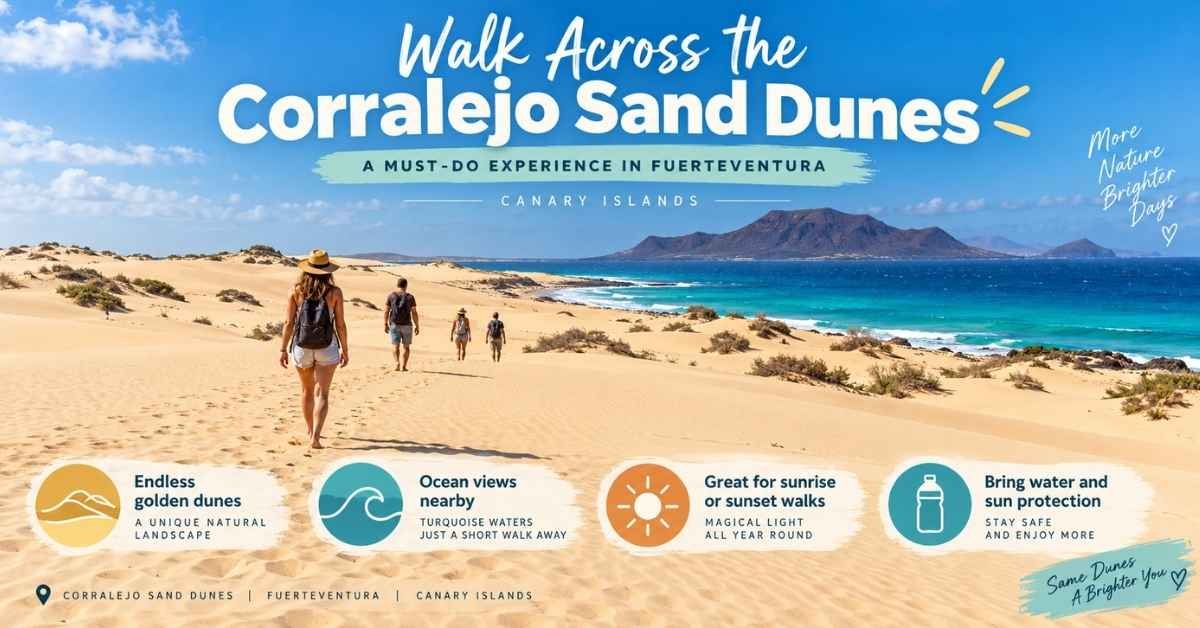
Parque Natural de Corralejo is one of the essential places to visit in Fuerteventura. Pale dunes roll towards turquoise water while dark volcanic land rises in the distance. The contrast explains the island better than any resort brochure could.
You can enjoy the dunes in an hour, but two or three hours gives you time to walk, photograph the landscape and reach the beach. Early morning and late afternoon bring softer light and cooler sand. Midday can feel exposed because there is almost no natural shade.
Park only where stopping is permitted, keep away from fragile vegetation and carry water. The dunes work particularly well for first-time visitors, photographers and families, although pushing a buggy across loose sand is impractical.
Best for: Iconic scenery and a free half-day outing. Skip it if: You need shade or step-free surfaces throughout. Combine it with: Corralejo town, a Lobos ferry or an evening in Lajares.
2. Take the Ferry to Lobos Island
The protected Isla de Lobos lies just off Corralejo and feels far more remote than the short crossing suggests. Visitors come to walk through volcanic terrain, swim near the sheltered lagoon, snorkel and see the Punta Martiño lighthouse.
Lobos has limited shade and services, so take more water than you expect to need, sun protection, food and footwear suitable for rough ground. A simple return ferry suits independent walkers. A catamaran or snorkelling excursion is better for travellers who care more about time on the water than completing the island trail.
Entry to the protected island requires separate visitor authorisation. At the time this guide was checked, the permit was free, personal and non-transferable, normally requested five days before the visit, and did not include transport. Confirm the latest requirements before purchasing ferry tickets. Some operators may arrange permission as part of the booking, but you should verify this explicitly.
Best for: Walkers, snorkellers and nature lovers staying in Corralejo. Skip it if: You need plentiful shade, cafés or an entirely accessible route. Booking: Arrange both landing permission and transport; do not assume one includes the other.
3. Hike to the Calderón Hondo Crater
For an approachable volcanic walk, Calderón Hondo is hard to beat. Trails approach the crater from the Lajares area, and the views stretch across northern Fuerteventura towards Lobos and Lanzarote on a clear day.
The experience varies with the chosen starting point, but most visitors should allow between 90 minutes and three hours. The surface is rocky and exposed, so trainers or walking shoes are more sensible than sandals. Start early in hot weather and expect stronger wind near the rim.
The walk is achievable for active families, but loose ground and drop-offs demand supervision. Do not feed the Barbary ground squirrels you may encounter; habituating wildlife harms both the animals and the protected environment.
Best for: A manageable volcano hike with a rewarding view. Combine it with: Brunch in Lajares and sunset in El Cotillo.
4. Slow Down in El Cotillo
El Cotillo offers two different coastlines in one compact town. North of the centre, La Concha and Los Lagos form attractive lagoons that can feel calmer in suitable conditions. South of the harbour, broader beaches face the Atlantic and attract experienced surfers.
Walk around the old harbour, stop for seafood or tapas and stay for sunset. The town is popular, but it retains a more relaxed rhythm than Corralejo. It is one of the best Fuerteventura activities for couples who want an unhurried afternoon and families looking for beaches with nearby facilities.
Never choose a swimming spot on reputation alone. Conditions change, so check beach flags, observe the water and follow local safety advice.
Best for: Beaches, food and sunset. Allow: Half a day rather than a hurried photo stop.
5. Browse the Surf Town of Lajares
Lajares makes an excellent pause between Corralejo, Calderón Hondo and El Cotillo. Its cafés, surf shops and creative businesses attract a mixture of residents, remote workers and travellers. It is not a conventional sightseeing town, which is precisely why it feels refreshing after a busy resort.
Come for breakfast or lunch, check whether a local market is running and use the town as the starting point for a northern road-trip loop. Lajares is especially appealing to returning visitors searching for unusual things to do in Fuerteventura beyond the headline attractions.
6. See Popcorn Beach Without Taking a Souvenir
The shore commonly labelled Playa del Bajo de la Burra or Playa El Hierro became famous as Popcorn Beach because its white rhodoliths resemble pieces of popcorn. These natural formations are made from calcareous algae, not ordinary stones or souvenirs.
Treat this as a short curiosity rather than a full beach day. Access can be rough, facilities are limited and the site’s popularity has placed pressure on its natural material. Never take a rhodolith home. Removing even one piece contributes to the gradual destruction of the shoreline.
Best for: A brief stop during a northern loop. Skip it if: Reaching it would require a special cross-island journey.
7. Cool Off at Acua Water Park
Acua Water Park in Corralejo can provide a welcome break from sightseeing, with slides, pools and children’s areas designed for an activity-focused family day.
Opening periods, operating hours and individual attractions may change, so confirm them directly. Compare the admission cost with the size and age of your group, and check height restrictions before promising children a particular slide.
The water park is most convenient for families staying in Corralejo. Travelling from the far south solely for it may not offer good value unless it is a major priority.
Best for: Families wanting a structured activity day near Corralejo. Check first: Seasonal opening, height rules and what admission includes.
Central and Western Fuerteventura
8. Explore Historic Betancuria
Betancuria was founded in the early fifteenth century and served as Fuerteventura’s historic capital. Today, its white buildings, palms and mountain setting create one of the island’s most distinctive village scenes.
Visit the Church of Santa María, explore the small centre and look for exhibits explaining the island’s Indigenous Majorero past and colonial history. Betancuria is compact, so two or three hours is usually enough unless you plan a long lunch.
The town is best understood as part of a central-island route rather than a standalone day. Pair it with mountain viewpoints, the Majorero Cheese Museum, Barranco de las Peñitas or Ajuy.
Best for: History, architecture and a slower lunch. Skip it if: You expect extensive shopping or entertainment.
9. Stop at the Viewpoints Above Betancuria
The road through central Fuerteventura reveals folded hills and broad valleys that many beach-only visitors never see. Mirador de Guise y Ayose is the best-known stop, marked by large bronze figures representing the island’s pre-conquest kings.
Viewpoints are quick, free and easy to combine with Betancuria, but approach the lay-bys carefully. Roads can be winding, parking space is limited and gusts may be strong. Give other drivers plenty of warning before turning.
These stops do not need separate itinerary days. Their value comes from connecting the island’s history with the terrain surrounding the old capital.
10. Walk to the Ajuy Caves
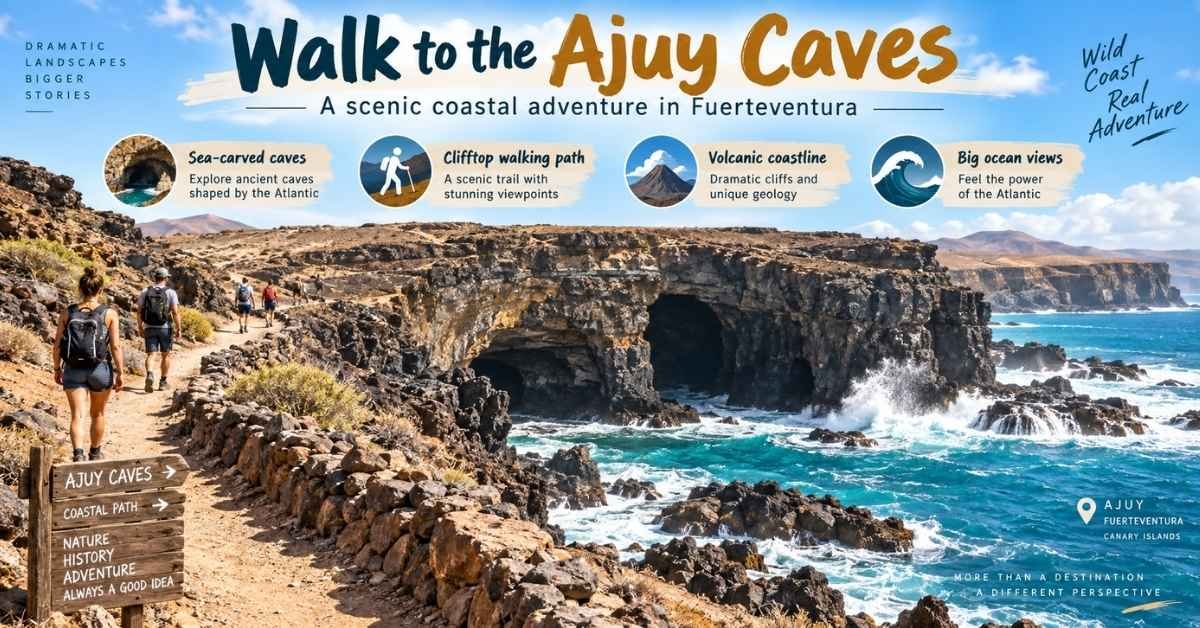
The fishing village of Ajuy combines a black-sand beach with some of the oldest exposed geological formations in the Canary Islands. A marked coastal path climbs away from the village and leads towards the Cuevas de Ajuy.
The route includes uneven rock, steps and exposed sections, so wear secure shoes. It is not an ideal choice for pushchairs or travellers who struggle with rough ground. Avoid approaching dangerous edges or entering areas when the sea and weather make conditions unsafe.
Allow two or three hours for the walk, beach and village. A relaxed meal in Ajuy makes a pleasant finish, but confirm restaurant and attraction opening times rather than building your day around an old listing.
Best for: Geology, photography and a short coastal walk. Combine it with: Betancuria and one or two central viewpoints.
11. Hike Barranco de las Peñitas
Barranco de las Peñitas looks different from Fuerteventura’s open plains. Rust-coloured rock closes around a ravine, while footpaths lead towards a small chapel and the well-known rock arch.
The arch is not a roadside attraction. Reaching it requires route-finding, scrambling over uneven ground and enough judgement to turn back if the heat or terrain becomes uncomfortable. Download an offline map, carry water and avoid the hottest part of the day.
Casual visitors can still enjoy sections of the ravine without treating the arch as compulsory. That is often the better choice for families, inexperienced hikers or anyone short on time.
Best for: Confident walkers seeking volcanic scenery. Skip it if: You need a clearly surfaced, accessible path.
12. Learn About Sea Salt at Salinas del Carmen
Near Caleta de Fuste, Salinas del Carmen preserves the story of traditional sea-salt production. The salt pans, museum and coastal setting make this an easy cultural stop when a full hike or exposed beach does not appeal.
The attraction works well for families because it turns an everyday ingredient into a visible process. It also pairs naturally with Caleta de Fuste, the nearby coast and other central-island museums. Check current opening information before setting out, particularly outside busy holiday periods.
Best for: Families, cultural travellers and mixed-weather days. Allow: Approximately one to two hours.
13. Taste Majorero Cheese
Fuerteventura’s goats are inseparable from the island’s landscape and food culture. Majorero cheese is made predominantly from local goat’s milk and provides an accessible way to understand how farming adapted to this dry environment.
Visit the Majorero Cheese Museum or choose a properly organised farm and tasting experience. Try younger and more mature cheeses, then notice how coatings and ageing alter the flavour. Pair the visit with Betancuria, Antigua or a windmill stop rather than driving across the island for a tasting alone.
This is one of the best things to do in Fuerteventura for food lovers because it connects agriculture, history and regional identity instead of treating local food as an afterthought.
14. Find the Island’s Traditional Windmills
Traditional molinos and molinas appear across Fuerteventura’s rural landscape. They once helped mill grain on an island where wind was one of the most dependable natural resources.
Rather than stopping at every windmill, choose one interpretation centre or restored example. Tiscamanita is a logical option on a central route. A focused visit gives the structures context and prevents them from becoming another collection of unexplained photo stops.
15. Look Beyond the Airport in Puerto del Rosario
Many travellers pass through Puerto del Rosario without considering it a destination. The capital will not compete with Cofete for scenery, but it offers waterfront walks, outdoor sculptures, murals, shops and an everyday urban atmosphere largely absent from resort areas.
It is a useful choice for cruise passengers, travellers with spare time near the airport and visitors who want to see contemporary island life. Check current museum and cultural-centre hours, then build a short walking route rather than expecting a full day of headline attractions.
Best for: Art, cafés and local urban life. Skip it if: This is your only free day and you have not experienced the island’s natural landscapes.
Best Things to Do in Southern Fuerteventura
16. See the Tidal Landscape of Sotavento Beach
Playa de Sotavento stretches along the south-eastern coast in a sweep of pale sand and shallow colour. At certain tidal stages, water forms a lagoon-like landscape. At other times, photographs taken on different days may bear little resemblance to what you find.
The area is internationally associated with windsurfing and kitesurfing. Even if you do not participate, watching skilled riders can be part of the experience. Distances across the sand are deceptive, and facilities are not always close to the most photogenic areas, so take water and footwear suitable for hot sand.
Best for: Wind sports, long walks and expansive photography. Check first: Wind and tide, especially if the lagoon is the reason for your visit.
17. Spend a Day at Oasis Wildlife Fuerteventura
Located near La Lajita, Oasis Wildlife Fuerteventura is one of the island’s most popular paid family attractions. It is large enough to occupy much of a day, particularly if you want to see the botanical areas as well as the animals.
Check the current programme, ticket inclusions, transport and mobility options before visiting. Wear comfortable shoes and plan breaks because walking distances can be substantial.
Families should also decide whether the attraction aligns with their views on animal tourism. Read current welfare and conservation information rather than relying only on promotional descriptions.
Best for: Families and multigenerational groups wanting a structured day. Skip it if: Wildlife attractions do not match your ethical preferences or holiday budget.
18. Walk the Morro Jable Seafront
Morro Jable combines a former fishing settlement, a long promenade and the broad sands of Playa del Matorral. It is one of the easiest southern places to enjoy without a detailed plan: walk beside the beach, see the Jandía lighthouse and stop for lunch in town.
The promenade and resort facilities make this a more manageable choice for families and travellers with limited mobility than remote southern beaches. It is also the practical departure point for marine excursions and trips towards Cofete.
Best for: An easy beach day, restaurants and car-free exploring. Combine it with: A boat trip or a separate Cofete excursion.
19. Experience the Wild Scale of Cofete Beach
Playa de Cofete is not a conventional resort beach. Mountains rise behind a vast Atlantic shoreline, services are scarce and the rough approach makes arrival feel earned. For many visitors, this is the island’s most memorable landscape.
The road beyond Morro Jable includes a long unpaved section. Conditions can change, and insurance or roadside assistance may not apply there. Read your rental agreement rather than relying on another traveller’s experience. If you dislike exposed bends, rough surfaces or uncertainty, take a licensed 4×4 excursion or other authorised transport.
Stop at the Mirador de Cofete only when it is safe to park. At the beach, bring water, sun protection and food unless you have confirmed that the restaurant is open. Mobile coverage and services should not be assumed.
Most importantly, treat Cofete as a walking and scenery destination, not a casual swimming beach. Powerful Atlantic surf and currents can be dangerous, and there may be no lifeguard. Follow every sign and local warning; if conditions are doubtful, stay out of the water.
Worth it if: You value remote scenery and can devote most of a day. Skip it if: You are staying in Corralejo for a short break, dislike rough-road travel or want calm swimming. Best alternative: Sotavento for an easier southern landscape or a guided Cofete tour if driving is the concern.
20. Separate Villa Winter’s History From Its Legends
Villa Winter stands above Cofete in an isolated setting that has encouraged decades of rumours. Stories often connect the building with German wartime activity, tunnels and submarines, but repeated storytelling is not the same as documentary proof.
Approach it as an atmospheric building with a contested history. Access arrangements can change, and reaching the property may involve another rough section beyond the main Cofete route. Confirm whether entry is possible before travelling and respect private or restricted areas.
Villa Winter makes sense as part of a Cofete day. It is rarely worth treating as a separate cross-island excursion.
21. Book One Signature Outdoor Experience

Fuerteventura is built for outdoor activity, but booking several similar excursions can quickly consume your holiday budget. Choose the experience that best matches your base and interests:
| Experience | Best base | Best for | Main consideration |
|---|---|---|---|
| Beginner surf lesson | Corralejo, El Cotillo or La Pared | First-time surfers | School quality and conditions |
| Windsurfing or kitesurfing | Costa Calma and Sotavento | Active travellers | Ability level and wind |
| Lobos ferry or cruise | Corralejo | Couples and families | Landing permission and sea conditions |
| Dolphin or whale-watching trip | Morro Jable or Caleta de Fuste | Marine-life enthusiasts | Sightings are never guaranteed |
| Kayaking and snorkelling | Several resort areas | Active families and couples | Swimming ability and conditions |
| Guided Cofete tour | Southern resorts | Travellers avoiding the rough drive | Group size and time at the beach |
| Stargazing | Interior locations | Couples and photographers | Cloud, moonlight and transport |
| Full-island tour | Major resorts | Visitors without a car | Long pickup and driving time |
Read recent reviews for the specific operator, not merely the activity type. Check group size, language, transfer time, cancellation terms and whether safety equipment is included.
A slightly higher price can be worthwhile when it buys a smaller group, better instruction or a more convenient pickup.
Which Fuerteventura Beach Is Right for You?
There is no single best beach in Fuerteventura. The useful question is what you want to do there.
| Beach or area | Best for | Important consideration |
|---|---|---|
| La Concha, El Cotillo | Relaxed beach time in suitable conditions | Check daily flags and wind |
| Grandes Playas, Corralejo | Dunes, scenery and long walks | Very exposed with little shade |
| Sotavento | Wind sports and enormous landscapes | Tide changes the lagoon’s appearance |
| Playa del Matorral | Facilities and easy resort access | Busier than remote beaches |
| La Pared | Surfing and west-coast sunsets | Not a default swimming choice |
| Cofete | Walking and dramatic scenery | Dangerous surf and remote access |
| Caleta de Fuste | Convenient family beach day | More developed resort atmosphere |
Families should prioritise current flags, lifeguard coverage, easy entry and nearby facilities rather than relying on a static “family-friendly” label. Surfers should choose a reputable local school capable of selecting an appropriate break for the day’s conditions.
Learn More: 18 Best Things to Do in Scarborough Maine: 2026 Guide
What to Do in Fuerteventura When It Is Windy
A windy forecast does not mean losing the day. Conditions often vary between coasts and different parts of the island.
- Visit Betancuria, the Majorero Cheese Museum or Salinas del Carmen.
- Explore cafés, shops and outdoor art in Puerto del Rosario.
- Choose a sheltered resort beach after checking local conditions.
- Watch windsurfers at Sotavento instead of attempting an unsuitable swim.
- Move a boat trip to a flexible day if the operator allows rescheduling.
- Use the wind for a properly supervised surf, windsurfing or kitesurfing lesson.
Avoid calling every museum a rainy-day attraction without checking whether it is open. Fuerteventura’s smaller cultural sites may have limited or changing schedules.
Best Activities From Each Resort
From Corralejo
Prioritise Corralejo Dunes, Lobos Island, Calderón Hondo, Lajares, El Cotillo and Popcorn Beach. These attractions fit naturally into northern half-day trips and minimise driving.
From Caleta de Fuste
Choose Salinas del Carmen, Betancuria, central viewpoints, Puerto del Rosario and Ajuy. Caleta’s central position also makes a full-island tour more tolerable than it would be from the extreme north or south.
From Costa Calma
Sotavento, La Pared, Oasis Wildlife, Morro Jable and organised Cofete tours are the strongest options. Northern attractions are possible, but they deserve a dedicated long day.
From Morro Jable
Focus on Playa del Matorral, boat trips, Cofete, Villa Winter and the Jandía Peninsula. This is the most convenient base for the island’s remote south.
Best Things to Do for Different Travellers
Families With Young Children
Choose beaches with nearby facilities and lifeguards, the Morro Jable promenade, Salinas del Carmen, Oasis Wildlife or Acua Water Park. Avoid building the day around rough hikes, long drives or beaches known for powerful surf.
Families With Teenagers
Teenagers may prefer surf lessons, snorkelling, kayaking, Calderón Hondo and a guided Cofete adventure. Check minimum ages, swimming requirements and height restrictions before paying.
Couples
Combine an El Cotillo sunset with dinner, take a Lobos cruise, have lunch in Betancuria or book a small-group stargazing experience. The most romantic plan is often the one involving the least driving.
Active Travellers
Link Calderón Hondo, Lobos Island, Barranco de las Peñitas and a water-sports lesson. Leave recovery time between exposed hikes and physically demanding sea activities.
Travellers With Limited Mobility
Morro Jable’s promenade, accessible resort areas and drive-up viewpoints may work better than Ajuy’s rocky path, Lobos trails or Barranco de las Peñitas.
Accessibility can change with construction and operating conditions, so contact each attraction directly about surfaces, toilets, parking and mobility equipment.
Visitors Without a Car
Stay close to a major resort, use buses for town-to-town journeys and choose excursions with hotel pickup for remote locations. Corralejo works well for Lobos and northern activities, while Morro Jable offers beaches, a promenade, boat trips and southern tour departures.
Three-, Five- and Seven-Day Fuerteventura Itineraries
Three Days: First-Time Highlights
Day 1: Corralejo Dunes and Corralejo town. Day 2: Betancuria, central viewpoints and Ajuy. Day 3: Choose Lobos Island if based in the north or Jandía and Cofete if based in the south.
Do not force both Lobos and Cofete into a three-day trip unless you genuinely enjoy long travel days.
Five Days: A Balanced Island Trip
Day 1: Corralejo Dunes, Lajares and El Cotillo. Day 2: Lobos Island or a northern water activity. Day 3: Betancuria, Majorero cheese and Ajuy. Day 4: Sotavento, Morro Jable and Playa del Matorral. Day 5: Cofete or a flexible weather-day alternative.
Seven Days: See More Without Rushing
Add Calderón Hondo, Barranco de las Peñitas, Puerto del Rosario, Salinas del Carmen or an organised outdoor experience. Keep one afternoon unscheduled for a beach, repeated favourite or weather change.
A Car-Free Itinerary
Choose a walkable resort day, a Lobos trip from Corralejo or a boat excursion from Morro Jable, one hotel-pickup island tour and one bus-accessible town.
Public transport can work, but remote attractions are difficult to combine efficiently without a car or organised excursion.
Typical Costs and How to Save Money
Many memorable Fuerteventura attractions are free, including dunes, beaches, viewpoints, villages and several walking routes. Museums, buses and ferry-only outings usually occupy the lower end of the budget.
Surf lessons, wildlife attractions and group boat trips sit higher, while private cruises and bespoke tours cost considerably more.
Save money by:
- Grouping attractions by region
- Comparing hotel pickup with the total cost of car hire and fuel
- Checking whether a ferry ticket includes the necessary arrangements
- Choosing one premium excursion rather than several similar tours
- Reading cancellation terms before booking weather-sensitive activities
- Carrying water and food to remote areas where appropriate
Prices change too often to build a trip around figures copied from an old article. Use this guide to choose the experience, then verify the live price with the official attraction or operator.
Common Fuerteventura Planning Mistakes
- Driving from north to south repeatedly. Build regional days instead.
- Choosing a beach from photographs alone. Check wind, tide, swell and flags.
- Assuming every rental car can use every road. Read the agreement before visiting Cofete.
- Treating Cofete as a swimming beach. Go for scenery and walking.
- Arriving on Lobos without the correct authorisation. Check both permission and transport.
- Underestimating sun and dehydration. Shade is scarce across many walks.
- Taking rhodoliths from Popcorn Beach. Leave the natural material untouched.
- Feeding squirrels. It damages the environment and encourages dependency.
- Relying on old opening hours. Small museums and seasonal attractions can change schedules.
- Booking the cheapest tour without reading the details. Group size and pickup time can reshape the entire day.
Frequently Asked Questions
What Are the Best Things to Do in Fuerteventura?
The best things to do are visiting Corralejo Natural Park, Lobos Island, Calderón Hondo, El Cotillo, Betancuria, Ajuy Caves, Sotavento Beach and Cofete. Add Majorero cheese, Salinas del Carmen or Barranco de las Peñitas if you want culture and hiking beyond the beaches.
How Many Days Do You Need in Fuerteventura?
Allow at least three days for the highlights, five days for a balanced north–centre–south itinerary and seven days for a slower trip with beach time. A week is preferable if you want both Lobos Island and Cofete without rushing.
Is It Worth Hiring a Car in Fuerteventura?
Hiring a car is worthwhile for remote beaches, villages and central-island routes. You can manage without one if you stay in a major resort and use buses, ferries and hotel-pickup tours. Always check whether unpaved roads are covered by the rental agreement.
Is Northern or Southern Fuerteventura Better?
Northern Fuerteventura is better for Corralejo, Lobos, volcano walks, surf culture and El Cotillo. The south is better for long beaches, Sotavento, Morro Jable and access to Cofete. Caleta de Fuste offers the most central base for island-wide exploration.
What Can You Do in Fuerteventura Besides Visit Beaches?
You can hike Calderón Hondo or Barranco de las Peñitas, explore Betancuria, visit Ajuy Caves, learn about sea salt and Majorero cheese, see traditional windmills, try stargazing or explore Puerto del Rosario’s public art.
Is Cofete Beach Safe for Swimming?
Cofete is best treated as a scenery and walking beach. Its remote Atlantic setting can produce powerful waves and dangerous currents, and lifeguard coverage should not be assumed. Follow local signage and stay out of the water whenever conditions are uncertain.
Is the Road to Cofete Difficult?
The road includes a lengthy unpaved section and requires slow, confident driving. Conditions and rental policies vary. Check your contract and consider a guided tour if you are uncomfortable with rough roads or uncertain insurance coverage.
Is Lobos Island Worth Visiting?
Lobos Island is worth visiting for volcanic walking, snorkelling and a nature-focused half day from Corralejo. It is less suitable if you need plentiful shade, extensive facilities or a fully accessible route. Landing authorisation and transport must be arranged correctly.
What Are the Best Free Things to Do in Fuerteventura?
The best free activities include Corralejo Dunes, El Cotillo, Betancuria, central viewpoints, beaches, Puerto del Rosario’s outdoor art and selected volcanic walks. Transport and parking may still create costs.
Is Fuerteventura Good for Families?
Yes. Families can enjoy sheltered resort beaches, Oasis Wildlife, Acua Water Park, Salinas del Carmen, easy promenades and beginner water sports. Choose activities according to the children’s ages, swimming confidence and tolerance for driving.
What Should You Do on a Windy Day?
Check whether another coast is more sheltered, visit Betancuria or a museum, explore Puerto del Rosario, or use the wind through a supervised windsurfing or kitesurfing lesson. Keep boat-trip bookings flexible.
Is Fuerteventura Expensive?
Fuerteventura can suit different budgets because its beaches, dunes, viewpoints and villages are free. Car hire, boat trips, wildlife attractions and private tours increase costs. Group activities by region and choose one major paid experience to control spending.
Which Is Better: Fuerteventura or Tenerife?
Choose Fuerteventura for broad beaches, wind sports, open volcanic landscapes and a quieter road-trip atmosphere. Choose Tenerife for greater nightlife, larger towns and a wider concentration of major built attractions. Neither is universally better; they suit different holidays.
Build Your Trip Around the Experiences That Matter
Fuerteventura is more satisfying when you stop treating the island as a checklist. Start with one landmark near your resort, add one cultural or outdoor experience and leave room for the conditions to shape the rest.
For a first trip, an excellent combination is Corralejo Dunes and El Cotillo in the north, Betancuria and Ajuy in the centre, plus Sotavento or Cofete in the south. Add Lobos Island, Calderón Hondo or a water-sports lesson according to your interests.
You do not need to complete all 21 attractions. Choose the places that fit your location, pace and comfort level, verify current access information and give Fuerteventura enough time to feel like an island—not a motorway between photographs.










2 thoughts on “21 Best Things to Do in Fuerteventura: 2026 Travel Guide”