Fun things to do in Curacao include exploring colourful Willemstad, snorkelling from scenic beaches, sailing to Klein Curaçao, hiking Mount Christoffel, watching waves crash at Shete Boka and tasting traditional Curaçaoan food. The island is small enough to explore, but its attractions are spread out, so the best experience depends on where you stay, how many days you have, whether you rent a car and how comfortable you are in the water.
This guide goes beyond a generic list of Curaçao attractions. You will find honest advice about transportation, costs, crowds, physical difficulty, wildlife ethics and which experiences are genuinely worth booking.
Planning note: Entrance fees, operating hours, tour schedules and access rules can change. Confirm time-sensitive details shortly before your visit.
Best Curaçao Activities at a Glance
| Travel need | Best experience | Location | Time | Cost |
|---|---|---|---|---|
| Best overall | Explore Willemstad | Central Curaçao | Half day | Free–$ |
| Best beach day | Cas Abao or Playa Porto Mari | West Coast | Half/full day | $–$$ |
| Best free activity | Self-guided Willemstad walk | Central Curaçao | 2–4 hours | Free |
| Best snorkelling | Tugboat Beach | Southeast | 2–3 hours | $ |
| Best full-day trip | Klein Curaçao | Offshore | Full day | $$$ |
| Best nature experience | Shete Boka National Park | North Coast | 2–4 hours | $ |
| Best physical challenge | Mount Christoffel | Northwest | Half day | $ |
| Best cultural experience | Kura Hulanda | Otrobanda | 1–2 hours | $ |
| Best for couples | Sunset cruise | Willemstad area | 2–3 hours | $$$ |
| Best for families | Calm beach or semi-submarine | Various | 2–4 hours | $$ |
| Best for non-swimmers | Willemstad and Hato Caves | Central | Half day | $ |
| Best cruise plan | Willemstad plus one nearby stop | Cruise port | 4–6 hours | $–$$ |
Cost key: Free, $ inexpensive, $$ moderate and $$$ premium experience.
What to Know Before Exploring Curaçao
Decide whether you need a rental car
You can explore central Willemstad on foot, but many of the best beaches in Curaçao sit along the western side of the island. A rental car gives you more freedom to visit Westpunt, Bandabou, Christoffel National Park and Shete Boka.
You may not need a car if you plan to stay near your resort, explore Willemstad and book organised excursions. However, taxis can become expensive when used for repeated beach trips, and arranging a return journey from a remote location requires planning.
| Your plan | Best transportation |
|---|---|
| Willemstad only | Walking and occasional taxi |
| West Coast beach hopping | Rental car or organised tour |
| One day from a cruise ship | Walking, taxi or pre-booked excursion |
| Christoffel and Shete Boka | Rental car or guided tour |
| Klein Curaçao | Boat operator |
| Nightlife | Registered taxi or designated driver |
Understand the island’s main areas
Grouping attractions geographically will save time and fuel.
- Willemstad: Architecture, street art, museums, markets, restaurants and nightlife
- Bandabou and West Coast: Beaches, shore snorkelling, sea turtles and plantation history
- North Coast: Christoffel National Park, Shete Boka and rugged scenery
- East and Southeast: Tugboat Beach, Caracas Bay, Fort Beekenburg, Jan Thiel and Mambo Beach
Avoid driving from one end of the island to the other several times in a day. Choose one main area and one anchor experience, then add a nearby beach, restaurant or cultural stop.
Know what may require advance booking
Consider booking early for:
- Klein Curaçao boat trips
- Sunset cruises
- Introductory diving
- Blue Room excursions
- ATV and buggy tours
- Food tours
- Chichi painting workshops
- Popular cruise-day excursions
Beaches and self-guided city walks generally offer more flexibility, although parking and access may still be limited during busy periods.
Fun Things to Do in Willemstad
1. Walk Through the Colourful Streets of Punda
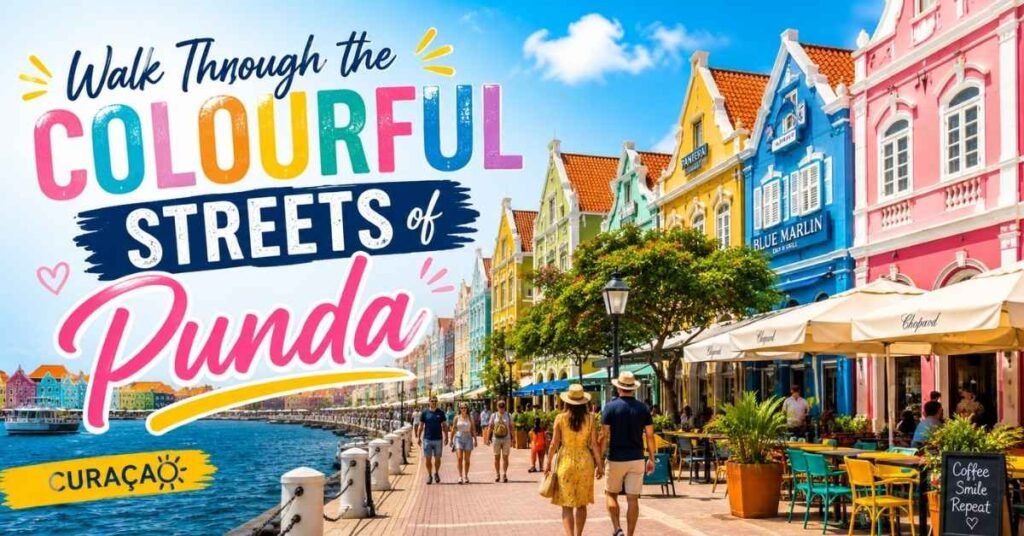
Exploring Punda is one of the best free things to do in Curaçao. The neighbourhood sits beside St. Anna Bay and is known for Handelskade’s colourful waterfront buildings.
Move beyond the famous waterfront photograph. Wander through the smaller streets, look for public art, browse shops and stop at a café. You will also encounter Papiamentu, Curaçao’s widely spoken local language. The word “dushi”, for example, can describe something sweet, lovely or pleasant.
Punda is compact and walkable, but the midday heat can make even a short city tour tiring. Visit during the morning or late afternoon, carry water and wear sun protection.
- Best for: First-time visitors, photographers and cruise passengers
- Time needed: Two to three hours
- Cost: Free unless you shop or eat
- Getting there: Walk from the cruise area or take a taxi
- Main drawback: Heat and limited shade on some streets
2. Cross the Queen Emma Bridge
The Queen Emma Bridge connects Punda and Otrobanda across St. Anna Bay. The floating pedestrian bridge swings aside when ships need to enter or leave the harbour.
Crossing the bridge is free, and the views toward Handelskade make it worthwhile during both daylight and evening. When the bridge opens, pedestrians may need to use an alternative passenger service or wait until it returns.
Cruise passengers should not leave the crossing until the final minutes before boarding. Allow extra time in case the bridge is open.
- Best for: Every first-time visitor
- Time needed: 15–30 minutes, longer with photographs
- Cost: Free
- Combine with: Punda, Otrobanda and Rif Fort
3. Explore Otrobanda’s Street Art
Punda feels polished and commercial, while Otrobanda offers a more residential and artistic atmosphere. Its murals, painted staircases, galleries and restored buildings reveal another side of Willemstad.
You can explore independently, but a guided walking tour can explain the meaning behind the murals and introduce artists, neighbourhood stories and local history. That context makes the experience more valuable than simply collecting photographs.
Remember that people live and work in these streets. Avoid blocking entrances or treating private homes as photography props.
- Best for: Art lovers and travellers interested in local culture
- Time needed: One to two hours
- Cost: Free independently; guided tours cost extra
- Nearby: Kura Hulanda and Queen Emma Bridge
4. Learn Curaçao’s History at Kura Hulanda
The island’s beauty sits alongside a difficult colonial history. Kura Hulanda helps visitors understand the transatlantic slave trade, African heritage and the experiences of enslaved people.
This is not a light entertainment stop, but it is one of the most meaningful cultural things to do in Curaçao. Give the museum enough time rather than squeezing it between a beach and lunch.
Reading about Curaçao’s history before visiting Willemstad also changes how you understand its buildings, plantation houses and cultural identity.
- Best for: History-minded travellers and older children
- Time needed: One to two hours
- Cost: Paid admission
- Skip it if: You only have a brief cruise stop and cannot give the subject proper time
5. Discover Scharloo’s Murals and Architecture
Scharloo contains stately buildings, bright façades and some of Willemstad’s most recognisable street art. It receives less foot traffic than Punda, making it appealing to travellers who enjoy urban photography.
A walking route can connect Scharloo with Punda and Pietermaai, but the heat may turn a short distance into a demanding walk. Start early or break the route with a café stop.
Scharloo works best as part of a broader Willemstad day rather than a separate half-day excursion.
6. Eat Local Food at Plasa Bieu
Plasa Bieu, often called the Old Market, provides a more local dining experience than a resort buffet or international chain. Vendors serve filling dishes prepared in open kitchens, and the shared seating creates a casual atmosphere.
Traditional foods you may encounter include:
- Keshi yena: Seasoned meat baked inside cheese
- Stobá: Curaçaoan stew
- Funchi: Cornmeal side dish
- Pastechi: Filled fried pastry
- Fresh fish and seafood
- Rice, beans and plantain
- Awa di lamunchi: Lime-based drink
Arrive with an open mind and ask what is available that day. Menus and operating schedules can change, so avoid planning around one exact dish.
- Best for: Food travellers and budget-conscious visitors
- Time needed: About one hour
- Cost: Inexpensive to moderate
- Main advantage: Local flavour without a formal food tour
Best Curaçao Beaches and Water Activities
7. Build a West Coast Beach-Hopping Day

Beach hopping is one of the most popular fun things to do in Curacao, but trying to visit six beaches in one day usually creates more driving than enjoyment. Select two or three that match your priorities.
Grote Knip
Grote Knip, also known as Playa Kenepa Grandi, delivers one of Curaçao’s most famous views. The beach sits in a dramatic cove with bright water and rocky surroundings.
Choose it for natural scenery and photographs. Facilities may be more limited than at commercial beaches, so bring water, food and shade when necessary.
Kleine Knip
Kleine Knip feels smaller and simpler. It can suit travellers who want a less-developed beach stop without spending an entire day at a beach club.
Cas Abao
Cas Abao is a strong all-round choice when you want scenery, snorkelling and useful facilities. Entrance, loungers and other services may cost extra, but that can be worthwhile when comfort matters.
Playa Porto Mari
Playa Porto Mari combines a developed beach experience with snorkelling and food facilities. It is suitable for travellers who want to stay in one place for several hours.
Daaibooi
Daaibooi offers a more relaxed, less polished atmosphere. It can be a good choice for a lower-cost beach day, although services are more limited.
Playa Lagun
Playa Lagun sits in a narrow cove and is popular with snorkellers and divers. Its size creates a scenic setting, but it can feel crowded when groups arrive.
| Beach | Best for | Facilities | General atmosphere |
|---|---|---|---|
| Grote Knip | Scenery and swimming | Limited–moderate | Natural and popular |
| Kleine Knip | Short, simple beach stop | Limited | Relaxed |
| Cas Abao | Comfortable full beach day | Strong | Developed |
| Porto Mari | Snorkelling and facilities | Strong | Relaxed but organised |
| Daaibooi | Budget beach day | Basic | Local and casual |
| Playa Lagun | Snorkelling and diving | Moderate | Small and scenic |
A rental car offers the most flexibility. An organised West Coast tour is better if you do not want to drive or arrange return transportation.
8. Snorkel at Tugboat Beach
Tugboat Beach is one of the best-known places for shore snorkelling in Curaçao. A small wreck lies underwater near the rocky coastline, attracting fish and marine life.
The site is not directly beside the sand, so reaching it requires confident swimming. Conditions, visibility and currents can vary. Beginners may feel more comfortable joining a guided snorkelling trip.
Bring:
- Water shoes
- Mask and snorkel
- Flotation support when appropriate
- Sun protection
- Drinking water
- Dry clothing
Tugboat Beach pairs naturally with Fort Beekenburg and Caracas Bay.
- Best for: Confident swimmers and snorkellers
- Time needed: Two to three hours
- Cost: Low independently; higher with a guide
- Skip it if: You are uncomfortable swimming away from shore
9. See Sea Turtles Responsibly at Playa Piskadó
Playa Piskadó, also called Playa Grandi, is known for sea-turtle sightings near its fishing pier. Seeing a turtle in open water can be memorable, but the experience has become controversial because of crowds, touching and feeding.
If you visit:
- Never touch or chase a turtle.
- Do not block its route to the surface.
- Do not participate in feeding.
- Give wildlife space.
- Avoid standing on coral.
- Follow responsible local guidance.
The beach is a working fishing area rather than a polished resort beach. Expect a practical environment, basic facilities and possible fish remains near the pier.
Turtle sightings are never guaranteed. Visit because you understand the setting, not because a tour promises a perfect wildlife photograph.
10. Explore the Blue Room Cave
The Blue Room Cave is a coastal sea cave where reflected light creates an intense blue glow. Access usually involves a boat journey, swimming or a combination of hiking and water entry.
The safest method depends on tide, waves and current conditions. Some entrances may require swimmers to duck beneath a rock overhang, which makes the experience unsuitable for people who panic in enclosed spaces or lack confidence in open water.
A responsible guide can provide:
- Route knowledge
- Safety equipment
- Current-condition assessment
- Boat transport
- Assistance entering the cave
The Blue Room is one of the more unusual things to do in Curaçao, but it should never be treated as a casual swim.
- Best for: Confident swimmers and adventurous travellers
- Time needed: Half day with transport
- Cost: Moderate
- Skip it if: You are claustrophobic or uncomfortable in open water
11. Take a Day Trip to Klein Curaçao
Klein Curaçao is an uninhabited island reached by boat from the main island. Its long white-sand beach, clear water, abandoned lighthouse and shipwreck make it one of Curaçao’s most recognisable day trips.
Most excursions take most of the day and may include:
- Breakfast or lunch
- Open-bar service
- Snorkelling equipment
- Beach chairs
- Shade
- Hotel transfers
- Guided information
The sea crossing is the main drawback. Depending on the boat and conditions, the outward journey can be rough. Travellers prone to motion sickness should prepare appropriately and speak with a healthcare professional about suitable precautions when necessary.
Is Klein Curaçao worth visiting?
It is worth considering if you enjoy boats, beaches and a full-day escape. It is less suitable if you only have a short stay, dislike rough water or prefer culture and city exploration.
| Choose Klein Curaçao if… | Skip it if… |
|---|---|
| You want a full-day boat experience | You strongly dislike boat travel |
| You enjoy snorkelling and beaches | You only have one day |
| You are comfortable with the price | You want a low-cost activity |
| You appreciate remote scenery | You prefer museums and neighbourhoods |
Compare operators carefully. The cheapest ticket may provide less shade, fewer amenities or a different boat style.
12. Try Shore Diving or an Introductory Scuba Experience
Curaçao is known for accessible shore diving and coral reefs. Certified divers can explore numerous sites, while beginners can book an introductory experience under professional supervision.
Choose a qualified operator that provides:
- Appropriate equipment
- Medical screening
- Clear safety instructions
- Small-group supervision
- A site suitable for your experience
- Transparent cancellation rules
Diving is not simply advanced snorkelling. It requires training, comfort underwater and adherence to medical and safety requirements.
For non-divers, a semi-submarine or glass-bottom experience may offer underwater views without entering the sea.
Learn More: 25 Best Things to Do in Tahoe With Kids in 2026
13. Watch the Sunset From a Catamaran
A Curaçao sunset cruise can be a memorable choice for couples, friends and celebratory trips. Some cruises focus on music and an open bar, while others offer a quieter sailing experience.
Before booking, compare:
- Party atmosphere versus relaxed sailing
- Food and drinks
- Passenger capacity
- Seating and shade
- Hotel transfers
- Trip duration
- Cancellation policy
- Child suitability
A lively sunset party cruise may not suit travellers looking for a peaceful romantic evening. Read recent reviews for the specific operator rather than assuming every catamaran offers the same experience.
Nature and Outdoor Adventures
14. Hike Mount Christoffel Early

Mount Christoffel is the highest point in Curaçao and one of the island’s most physically demanding popular activities. The final section can require scrambling over steep rocks using both hands.
Start early. The heat becomes increasingly intense as the morning progresses, and the park may restrict summit starts after a set time.
Bring:
- Supportive footwear
- Plenty of water
- Sun protection
- Lightweight clothing
- A fully charged phone
- Basic first-aid supplies
This hike is not suitable for every visitor. Choose an easier park trail if you have limited mobility, poor heat tolerance or little experience on steep terrain.
- Best for: Active travellers and experienced hikers
- Time needed: Several hours
- Difficulty: Challenging
- Skip it if: You cannot start early or are unprepared for scrambling
15. Feel the Ocean’s Power at Shete Boka
Shete Boka National Park protects a rugged section of Curaçao’s northern coast. Instead of calm beaches, you will see waves crashing into caves, cliffs and narrow inlets.
Important viewpoints include:
- Boka Tabla: Waves enter a coastal cavern
- Boka Pistol: Water shoots upwards with a loud impact
- Boka Wandomi: Coastal formations and a natural bridge
Some viewpoints can be reached by car followed by a short walk, while others involve rougher paths. The landscape is exposed, so bring water, secure footwear and sun protection.
Shete Boka combines well with Christoffel National Park, but completing a summit hike and every Shete Boka viewpoint in one day may be tiring. Families and casual visitors may prefer one shorter Christoffel activity followed by Shete Boka.
16. Tour Hato Caves
Hato Caves offer a break from beaches and direct sun. Guided visits introduce the cave’s geological formations, chambers, bats and historical significance.
Visitors should expect steps and uneven surfaces. The cave may also feel warm and humid rather than cool.
A nearby trail may provide additional cultural and archaeological context, subject to current access. Because the caves sit close to the airport, they can work well on an arrival or departure day if luggage and timing are handled securely.
- Best for: Non-swimmers, families and history-minded travellers
- Time needed: One to two hours
- Cost: Paid guided entry
- Check first: Tour times and accessibility
17. Look for Flamingos at Sint Willibrordus
Wild flamingos can sometimes be seen in the salt pans around Sint Willibrordus. They usually remain at a distance, so binoculars or a zoom lens are more useful than attempting to approach them.
Do not enter sensitive wetland areas or push closer for a photograph. Flamingos are wild animals, and sightings depend on season, time and conditions.
This is a short scenic stop rather than a guaranteed wildlife encounter. Combine it with Porto Mari, Daaibooi, Cas Abao or a nearby plantation house.
- Best for: Birdwatchers and photographers
- Time needed: 15–30 minutes
- Cost: Free
- Main drawback: Wildlife may be distant or absent
18. Explore the Hato Plains on an Off-Road Tour
The Hato Plains reveal Curaçao’s dry, rugged landscape through caves, cacti, wildlife and coastal terrain. An ATV, buggy or jeep tour can reach areas that are difficult to explore with a standard rental car.
Ask operators about:
- Driver’s licence requirements
- Minimum passenger age
- Helmets and protective equipment
- Dust protection
- Group size
- Environmental practices
- Insurance
- What happens in poor weather
Off-road tours are exciting, but they can be hot, dusty and physically uncomfortable. They may not suit travellers with back problems or young children.
19. Kayak Through the Curaçao Rif Mangrove Park
The Curaçao Rif Mangrove Park provides a quieter nature experience near Willemstad. Mangroves create valuable habitats for fish, birds and other wildlife while helping protect the coastline.
Depending on current operations, visitors may explore by guided kayak, walking route or another controlled experience. A guide can explain the ecosystem without turning the visit into a technical science lesson.
The park works particularly well for:
- Cruise passengers
- Families
- Non-swimmers
- Nature lovers
- Travellers without a rental car
Check opening times and tour availability before visiting.
Culture, Food and Nightlife
20. Taste Authentic Curaçao Liqueur
Curaçao liqueur is traditionally associated with the laraha orange, whose peel contributes to the spirit’s flavour. Landhuis Chobolobo is one of the best-known places to learn about its production.
Visitors may be able to explore parts of the site independently or book a guided tasting. Confirm what is included, as a basic visit and a premium cocktail experience may differ considerably.
Non-drinkers can still appreciate the production story and historic setting. Anyone tasting alcohol should arrange safe transportation.
- Best for: Couples, groups and food-and-drink travellers
- Time needed: One to two hours
- Cost: Free exploration or paid tasting, depending on experience
21. Paint Your Own Chichi Sculpture
The colourful Chichi sculptures represent a warm, confident older-sister figure and have become a recognisable part of Curaçao’s contemporary art scene.
A painting workshop lets you create a personal souvenir while learning about the artist and idea behind the figure. It can be especially enjoyable for families, friends and travellers who want a creative break from water activities.
Workshops may run only at selected times, so reservations are recommended. Give proper credit to the local artistic tradition rather than describing the figures as generic souvenir dolls.
22. Follow a Curaçao Food-Tasting Route
A Curaçao food tour can reveal influences from the Caribbean, Africa, Latin America, Europe and the island’s Jewish community. The best tours connect food with neighbourhood and family history.
Foods and drinks to look for include:
- Keshi yena
- Stobá
- Funchi
- Pastechi
- Fresh fish
- Plantain
- Local soups
- Awa di lamunchi
- Curaçao liqueur
- Dutch-Caribbean sweets
A guided tour provides context and pre-arranged tastings. Independent travellers can create their own route through Plasa Bieu, local bakeries and small restaurants.
Tell guides about allergies and dietary needs before the tour begins.
23. Spend an Evening in Pietermaai
Pietermaai combines restored architecture, boutique hotels, restaurants, bars and music venues. It is one of the best areas for travellers looking for things to do in Curaçao at night.
The atmosphere varies by venue and day. One street may feel relaxed during dinner and livelier later in the evening.
Choose transportation before drinking, particularly if your accommodation is outside Willemstad. Solo travellers should use ordinary city precautions, stay in active areas and arrange a registered taxi for the return journey.
- Best for: Couples, friends and solo adult travellers
- Time needed: Two hours or an entire evening
- Cost: Depends on dining and drinks
- Check first: Current music and event schedules
Unusual and Less-Touristy Curaçao Experiences
24. Explore Fort Beekenburg and Caracas Bay
Fort Beekenburg overlooks Caracas Bay and offers history, coastal scenery and photography without requiring a long formal tour. The fort once helped protect the bay, and its location still provides a strategic view.
Walking surfaces can be uneven, and the area may feel exposed during the hottest part of the day. Wear secure footwear and supervise children around ruins and drop-offs.
Combine the fort with:
- Tugboat Beach
- Director’s Bay
- Caracas Bay
- A southeastern snorkelling trip
The fort is worth including when you are already exploring the area, but it may not justify a cross-island journey by itself.
25. Visit Savonet Museum and Learn About Tula
The Savonet Museum, located within Christoffel National Park, adds human history to a nature-focused day. Exhibits explore plantation life, the natural environment and the experiences of people who lived and worked in the region.
Curaçao’s history also includes Tula, an enslaved man who led the 1795 uprising against slavery. Learning about Tula and the island’s resistance history provides essential context that beach-focused itineraries often omit.
Relevant museums and heritage sites may operate on limited schedules. Verify hours before travelling and distinguish carefully between Savonet Museum, Museo Tula and other historical locations.
- Best for: Cultural travellers and older children
- Time needed: One to two hours
- Combine with: Christoffel Park or a Bandabou route
Best Curaçao Activities by Traveller Type
| Traveller | Strongest choices | Consider carefully |
|---|---|---|
| First-time visitor | Willemstad, West Coast and Shete Boka | Too many beaches in one day |
| Couple | Klein Curaçao, sunset cruise and Pietermaai | Party cruise if seeking quiet |
| Family | Calm beaches, caves, mangroves and art workshop | Long exposed hikes |
| Solo traveller | Willemstad, guided snorkelling and food tour | Remote areas after dark |
| Non-swimmer | Museums, caves, parks and city walks | Blue Room swimming |
| Cruise passenger | Willemstad and one nearby activity | Multiple West Coast stops |
| Adventure traveller | Christoffel, diving, off-roading and Blue Room | Resort-only schedule |
| Budget traveller | Willemstad, free beaches and flamingo stop | Several premium tours |
Free and Cheap Things to Do in Curaçao
Curaçao can become expensive when boat trips, diving and beach clubs fill the itinerary. Fortunately, several enjoyable activities cost little or nothing.
Best free activities
- Walk through Punda.
- Cross Queen Emma Bridge.
- Explore Otrobanda’s street art.
- Photograph Handelskade.
- Visit selected public beaches.
- Watch flamingos respectfully.
- Explore Fort Beekenburg.
- Browse local markets.
- Visit scenic coastal viewpoints.
- Watch the sunset.
A free attraction may still involve fuel, parking, food or beach-chair rental.
Sample low-cost Curaçao day
- Explore Punda and Otrobanda on foot.
- Eat a local lunch at Plasa Bieu.
- Drive or take a taxi to a low-cost beach.
- Bring your own snorkel gear and water.
- Return for a free sunset walk.
Paying more makes sense when a tour provides necessary boat access, equipment, instruction or safe transportation. It makes less sense when a simple attraction is easy to visit independently.
See More: 35 Cheap Things to Do in New York City Under $20
Things to Do in Curaçao Without a Car
A car is useful, but you can still enjoy Curaçao without renting one.
Good car-free options include:
- Punda
- Otrobanda
- Queen Emma Bridge
- Kura Hulanda
- Pietermaai
- Plasa Bieu
- Rif Mangrove Park
- Guided food tours
- Sunset cruises with pickup
- Klein Curaçao trips with transfers
- Organised beach excursions
The main limitation is flexibility. Reaching several West Coast beaches independently is much more difficult without a car.
If you only want one remote attraction, compare the total taxi price with the cost of a guided tour. The tour may offer better value once return transportation is included.
One Day in Curaçao From a Cruise Ship
Cruise passengers should focus on quality rather than quantity.
Morning: Explore Willemstad
Walk through Otrobanda, cross Queen Emma Bridge and explore Punda. Add street art, waterfront photographs or a museum according to your interests.
Midday: Choose one focused experience
Select one:
- Nearby beach
- Food tour
- Hato Caves
- Tugboat snorkelling
- Guided city tour
- Mangrove experience
Afternoon: Return with time to spare
Confirm your ship’s required boarding time rather than relying only on its published departure. Arrange return transportation before leaving a remote attraction.
Cruise passengers should avoid:
- Trying to circle the island
- Combining multiple western beaches
- Leaving return transportation unconfirmed
- Booking an independent trip that ends close to boarding time
- Assuming traffic and bridge access will remain predictable
A relaxed Willemstad walk, one beach and one good meal usually create a better cruise day than rushing through six attractions.
Three-Day Curaçao Itinerary
Day 1: Willemstad, history and local food
- Punda
- Queen Emma Bridge
- Otrobanda
- Kura Hulanda
- Plasa Bieu
- Pietermaai evening
Day 2: West Coast beach hopping
Choose two beaches rather than five. For example:
- Cas Abao and Porto Mari for facilities
- Grote Knip and Kleine Knip for scenery
- Playa Lagun and Tugboat alternatives for snorkelling
Add the Sint Willibrordus flamingo viewpoint if it fits naturally into the route.
Day 3: Choose nature or the sea
Option A: Christoffel, Savonet Museum and Shete Boka Option B: Klein Curaçao full-day trip Option C: Hato Caves, mangrove park and sunset cruise
Do not attempt to complete all three options in one day.
Five-Day Curaçao Itinerary
Day 1: Willemstad and Curaçaoan food
Explore Punda, Otrobanda, Kura Hulanda and Pietermaai.
Day 2: West Coast beaches
Visit two or three beaches and allow time to swim rather than constantly moving.
Day 3: Christoffel and Shete Boka
Start early and adjust the plan according to fitness and heat.
Day 4: Klein Curaçao or diving
Choose one major water experience.
Day 5: Flexible favourites
Return to your favourite beach, book a food experience or keep this day available in case weather disrupted an earlier plan.
A five-day visit provides enough variety without turning the holiday into a race. Travellers staying for a week can slow down further and revisit the places they genuinely enjoyed.
When Is a Guided Tour Worth Booking?
Book a tour when:
- The destination is accessible only by boat.
- Special equipment is required.
- Water safety or navigation matters.
- You do not want to drive.
- Cruise timing makes independent travel risky.
- Local historical context adds meaningful value.
- Transport is included in the price.
Explore independently when:
- The attraction is walkable.
- Access and parking are straightforward.
- You want control over timing.
- Several nearby stops can be combined.
- A guide would add little beyond transportation.
Guided experiences can offer excellent value, but travellers should not assume every beach or neighbourhood requires an excursion.
Practical Curaçao Tips That Prevent Common Mistakes
Carry water shoes
Many beaches have rocky, coral or uneven entries. Water shoes can make entering and leaving the sea more comfortable.
Protect yourself from the sun
Use high-SPF sun protection, wear a hat and carry more water than you expect to drink. This is especially important during city walks and national-park visits.
Do not leave valuables visible in a car
Use ordinary travel precautions. Take valuables with you, secure necessary items out of sight and avoid leaving bags openly displayed.
Arrange taxi fares and return plans
Use registered services and agree on the expected fare before beginning the journey when appropriate. Remote beaches may not have taxis waiting.
Start exposed hikes early
Do not underestimate heat because the island appears flat from a distance. Mount Christoffel and exposed park routes require preparation.
Respect coral and marine life
Never stand on coral, remove marine objects or touch wildlife. Choose operators that demonstrate responsible environmental practices.
Carry more than one payment method
The Caribbean guilder is the local currency, and US dollars are commonly accepted in many tourist settings. Card acceptance and the currency used for change can vary, so carry a modest amount of local cash.
Download maps before leaving town
Mobile coverage may be less dependable in remote areas. Save directions, booking details and emergency contacts offline.
Leave space for an unplanned beach
Curaçao rewards slower travel. An overloaded checklist can prevent you from enjoying the place you came to see.
Frequently Asked Questions
What are the most fun things to do in Curaçao?
The most fun activities include exploring Willemstad, beach hopping along the West Coast, snorkelling at Tugboat Beach, visiting Klein Curaçao, hiking Mount Christoffel, touring Shete Boka, trying local food and taking a sunset cruise. Choose activities according to your time, budget and swimming ability.
What should you not miss in Curaçao?
First-time visitors should prioritise Willemstad, one West Coast beach day and either Shete Boka or Klein Curaçao. This combination covers culture, beaches and nature without overloading the itinerary.
How many days do you need in Curaçao?
Three days provide an introduction, while five to seven days allow time for Willemstad, western beaches, national parks, a boat trip and relaxation. Cruise passengers can enjoy central Willemstad and one nearby attraction in a single day.
Do you need a rental car in Curaçao?
You do not need a car to explore Willemstad or take organised tours. However, a rental car is highly useful for visiting West Coast beaches, Christoffel National Park and Shete Boka independently.
Is Klein Curaçao worth visiting?
Klein Curaçao is worth visiting if you enjoy beaches, snorkelling and boat trips. The experience requires most of a day and can involve a rough crossing, so it is less suitable for travellers prone to seasickness or those visiting Curaçao briefly.
Which Curaçao beaches are free?
Several less-developed beaches may offer free or inexpensive access, while commercial beaches and beach clubs commonly charge entrance or facility fees. Policies change, so confirm current access before travelling.
Where can you snorkel with sea turtles?
Playa Piskadó is known for turtle sightings, but visitors should never touch, chase or feed them. Turtles may also appear naturally at other snorkelling and diving sites around Curaçao.
What can non-swimmers do in Curaçao?
Non-swimmers can explore Willemstad, Kura Hulanda, Hato Caves, Shete Boka, Savonet Museum, plantation houses, markets, street art, restaurants and nightlife. A semi-submarine experience can provide underwater views without swimming.
What can families do in Curaçao?
Families can enjoy calm beaches, Hato Caves, Rif Mangrove Park, Chichi painting, Willemstad, short nature walks and selected boat activities. Check age requirements, swimming demands and heat exposure before booking.
Is Curaçao expensive?
Curaçao can be expensive if your itinerary includes several boat trips, diving and commercial beach clubs. Walking around Willemstad, visiting scenic viewpoints and choosing lower-cost beaches can keep activity spending manageable.
Is Curaçao safe for tourists?
Curaçao is generally considered a practical Caribbean destination for visitors, but normal precautions remain important. Protect valuables, use reliable transportation, avoid isolated places late at night and assess water or hiking conditions carefully.
What should tourists avoid doing in Curaçao?
Avoid feeding or touching wildlife, standing on coral, leaving valuables visible, attempting Mount Christoffel too late, entering rough water beyond your ability and trying to visit the entire island in one rushed day.
Final Thoughts
The best fun things to do in Curacao combine the island’s beaches with its culture, history, food and rugged landscapes. Willemstad deserves more than a quick photograph, while the West Coast is better enjoyed through two carefully chosen beaches than an exhausting checklist.
Choose one major experience per day, group it with a nearby stop and book only the activities that genuinely require advance planning. That approach leaves enough structure to avoid mistakes and enough freedom to enjoy Curaçao at your own pace.










1 thought on “25 Fun Things to Do in Curacao for Every Traveller”