
Nicaragua things to do include exploring the colonial streets of Granada and León, volcano boarding at Cerro Negro, hiking on Ometepe Island, swimming in Laguna de Apoyo, surfing the Pacific coast, and escaping to the Corn Islands. For a first visit, the best plan is to combine two cultural bases, one volcanic experience, and one beach or island destination. Nicaragua rewards travelers who slow down; trying to cover every region usually means spending too much of the trip in transit.
This Central American country packs an unusual range of experiences into one journey. You can stand beside an active volcanic landscape in the morning, walk through a centuries-old city in the afternoon, and watch the sun fall into the Pacific before dinner.
The challenge is not finding places to visit in Nicaragua. It is choosing the ones that fit your time, comfort level, and travel style.
Planning note: Travel conditions, park access, ferry services, and entry rules can change. Check official guidance and confirm local arrangements shortly before traveling.
Nicaragua Experiences at a Glance
| Experience | Best place | Best for | Time to allow | Effort |
|---|---|---|---|---|
| Colonial streets and architecture | Granada | First-time visitors and couples | 1–2 days | Easy |
| History, art, and local energy | León | Culture-focused travelers | 1–2 days | Easy |
| Volcano boarding | Cerro Negro | Adventure travelers | Half day | Moderate |
| Volcanoes and island life | Ometepe | Nature lovers and slow travelers | 3–4 days | Easy to challenging |
| Crater-lake swimming | Laguna de Apoyo | Families and relaxed day-trippers | 1 day | Easy |
| Cloud-forest hiking | Mombacho | Walkers and wildlife lovers | Half or full day | Moderate |
| Surfing | Popoyo or Playa Maderas | Beginners to advanced surfers | 2–4 days | Moderate |
| Caribbean beaches | Corn Islands | Couples, divers, and slow travelers | 3–5 days | Easy |
| Canyon adventure | Somoto Canyon | Active travelers | 1 day | Moderate |
| Rainforest and river travel | Río San Juan | Wildlife lovers | 3–5 days | Moderate logistics |
If you only have seven days in Nicaragua, concentrate on Granada, Laguna de Apoyo or Mombacho, León, and Cerro Negro. With ten days, add Ometepe or a Pacific beach. Save the Corn Islands, Río San Juan, or the northern highlands for a longer trip.
1. Walk Through Granada’s Colonial Center

Granada is the easiest introduction to Nicaragua. Its center is compact, colorful, and simple to explore on foot. Start around Parque Central and Granada Cathedral, then wander away from the busiest streets to find shaded courtyards, restored churches, local cafés, and quieter residential blocks.
The city works best as more than a photo stop. A guided walking tour can explain how Spanish colonial history, modern tourism, religion, and local commerce overlap. If you prefer exploring alone, walk early in the morning or later in the afternoon, when the heat is less intense.
Allow at least one full day, or two nights if you also plan to visit Mombacho, Laguna de Apoyo, or the Islets of Granada. Travelers who want a polished base with a broad choice of restaurants will probably prefer Granada to León. Those looking for a grittier student city with stronger revolutionary history may prefer León.
Best for: First-time visitors, couples, photographers, and travelers who want an easy base.
Good to know: The streets closest to the central plaza can feel commercial. Walk a few blocks farther to see more of the city’s everyday character.
2. Cruise or Kayak Around the Islets of Granada
The Islets of Granada, also called Las Isletas, form a scattered archipelago in Lake Nicaragua below Mombacho. Boat trips pass small islands, waterfront homes, vegetation, and areas where birds and other wildlife may be visible.
A motorboat tour is the easiest option for families or anyone short on time. Kayaking creates a quieter experience and brings you closer to the water, but it requires more effort and offers less protection from the sun. Sunset departures can be beautiful, although wildlife sightings are never guaranteed.
Before booking, ask about the group size, trip duration, shade, life jackets, wildlife practices, and hotel transport. Avoid operators that chase or feed animals for photographs.
Time needed: Two to four hours.
Best pairing: Explore Granada in the morning, rest through the hottest part of the day, and take a late-afternoon boat trip.
3. Hike Through Mombacho’s Cloud Forest
Mombacho offers a greener and more atmospheric volcano experience than Cerro Negro. Higher elevations support cloud-forest vegetation, and the changing mist can make the slopes feel far removed from hot, busy Granada.
Available routes vary in length and difficulty. Some visitors choose a short crater walk, while experienced hikers may prefer a longer trail with a guide. Do not assume that every route is a casual stroll. Steep sections, wet ground, and sudden weather changes can make the walk harder than expected.
Wear shoes with grip, bring water, and pack a light rain layer even if Granada is sunny. Confirm current trail access, transportation arrangements, and guide requirements before leaving.
Choose Mombacho if: You value forest, views, and moderate hiking.
Choose Cerro Negro if: You want a more unusual, high-energy adventure.
And Choose Concepción if: You are fit, experienced, and prepared for a demanding full-day climb.
4. Swim and Kayak at Laguna de Apoyo
Laguna de Apoyo is a volcanic crater lake between Granada and Masaya. It is one of the best things to do in Nicaragua when you need a quiet day between city walks, long transfers, or volcano hikes.
Many lakeside properties offer day access with swimming platforms, kayaks, paddleboards, hammocks, food, and changing facilities. Compare what each pass includes before choosing one. An overnight stay provides a calmer atmosphere after day visitors leave and gives you more time to enjoy the lake during cooler hours.
The shoreline drops away quickly in places, so families should ask about shallow areas, flotation devices, and supervision. Pack reef-safe sunscreen, drinking water, a towel, and dry clothes.
Do not expect a traditional sandy beach. The appeal is the deep crater lake, forested slopes, and unhurried pace.
Best for: Families, couples, swimmers, kayakers, and tired travelers.
Time needed: A full day or one quiet night.
5. Check Current Access to Masaya Volcano
Masaya Volcano has long been one of Nicaragua’s most recognizable natural attractions because visitors can approach its active volcanic landscape by road. Access can change in response to gas, landslides, volcanic activity, or park-management decisions, so an old blog post should never be your only source.
If the relevant areas are open, Masaya can be an accessible alternative for travelers who cannot complete a long hike. Confirm the current entrance process, opening hours, viewpoint access, and whether evening visits are operating.
People with respiratory conditions should take volcanic gases seriously and seek appropriate advice.
Planning rule: Treat Masaya as a conditional addition, not the fixed centerpiece of your itinerary. Granada, Laguna de Apoyo, or a cultural visit in Masaya can provide a backup if access changes.
6. Discover León’s History, Murals, and Street Life
León feels more lived-in and politically expressive than Granada. Murals, universities, markets, churches, and revolutionary history shape the city’s identity. It is also the natural base for Cerro Negro volcano boarding and beach time at Las Peñitas.
The city’s standout landmark is León Cathedral, inscribed on UNESCO’s World Heritage List. Its architecture reflects the transition from late Baroque to Neoclassical design, while the interior contains important religious artworks. When rooftop access is available, the white roof and surrounding volcano views create one of the city’s most memorable perspectives. UNESCO explains the cathedral’s heritage significance.
Spend time beyond the cathedral. Walk through the market, learn about Nicaragua’s revolutionary period, and visit cultural spaces connected with poet Rubén Darío. Plan outdoor exploration for cooler hours because León can become intensely hot.
Best for: History lovers, independent travelers, backpackers, and anyone who prefers energy over polish.
Time needed: Two nights, or three if adding Cerro Negro and Las Peñitas.
7. Board Down Cerro Negro
Volcano boarding at Cerro Negro is one of the most distinctive adventure activities in Nicaragua. You hike up a young, exposed volcanic slope, put on protective equipment, and descend loose black gravel on a specially designed board.
The ride receives most of the attention, but the climb deserves equal consideration. There is little shade, the wind can be strong, and carrying a board makes the ascent more tiring.
A responsible operator should provide:
- Round-trip transportation from León
- A trained guide
- A suitable volcano board
- Eye protection
- Protective clothing
- Clear riding instructions
- An honest safety briefing
You usually control speed by adjusting your position and using your feet, but falls and scrapes remain possible. Closed shoes, long socks, water, sun protection, and clothing you do not mind getting dusty are sensible choices.
Best for: Active travelers who enjoy controlled risk.
Skip it if: You have relevant back, knee, balance, or respiratory concerns.
Gentler alternative: Hike part of a volcanic landscape without completing the boarding descent.
8. Visit the Ruins of León Viejo
The Ruins of León Viejo reveal a different layer of Nicaragua’s colonial story. The remains lie near Puerto Momotombo, separate from modern León, and preserve the layout of an early Spanish colonial settlement.
UNESCO notes that the archaeological site includes unearthed remains and their surrounding environment near Lake Managua and Momotombo Volcano. See the UNESCO World Heritage profile.
This is not an attraction for travelers expecting an intact old town. Its value comes from context, archaeology, and the story of a settlement shaped by colonial power and natural hazards. A knowledgeable guide or good interpretation makes the visit far more meaningful.
Best for: Archaeology and history enthusiasts.
Time needed: A half-day excursion, depending on your starting point.
9. Spend Several Days on Ometepe Island
Ometepe rises from Lake Nicaragua, formed by the Concepción and Maderas volcanoes joined by a narrow isthmus. The island combines farms, forest, freshwater views, archaeological sites, swimming spots, and demanding hikes.
Its greatest planning mistake is treating it as a quick day trip. Reaching the ferry port, crossing the lake, and continuing to your accommodation consumes time. Stay at least three nights if Ometepe is a major part of your journey.
Moyogalpa is practical for arrivals and services. Other parts of the island feel quieter but involve longer rides and rougher roads. Before renting a scooter or motorbike, check:
- The road to your accommodation
- Your travel-insurance coverage
- Recent weather
- Helmet quality
- Your actual riding ability
A taxi or arranged transfer is often the calmer choice after dark or when carrying luggage.
Ferries and smaller boats generally connect San Jorge with Ometepe, but departure times can change. Confirm the schedule locally instead of building a tight same-day connection around an old timetable.
Best for: Nature lovers, couples, hikers, and slow travelers.
Not ideal for: Anyone with only one spare night or little tolerance for transportation uncertainty.
10. Hike Concepción or Maderas Volcano

Ometepe’s twin peaks look inviting from a hammock, but both demand respect. Concepción is exposed, steep, and potentially very hot. Maderas is forested, muddy, and slippery, with conditions that can make progress slow.
These are not ordinary sightseeing walks. Choose a reputable local guide, disclose your fitness honestly, and ask about:
- Current trail conditions
- Weather
- Turnaround policies
- Water requirements
- Emergency procedures
- Realistic hiking duration
Reaching a summit is never guaranteed, and cloud can erase the expected view.
Concepción generally suits fit hikers comfortable with sun exposure and sustained climbing. Maderas appeals to people who prefer jungle terrain and do not mind mud.
If either sounds miserable rather than exciting, choose a shorter nature walk, Charco Verde, kayaking, or Ojo de Agua.
Expert planning tip: Do not schedule a difficult volcano hike immediately after a long transfer or just before a fixed ferry connection.
11. Cool Off at Ojo de Agua
Ojo de Agua offers spring-fed pools surrounded by tropical vegetation. It is an easy recovery stop after active days on Ometepe and a useful alternative for travelers who do not want to climb a volcano.
Arrive earlier for a quieter experience, particularly during busy travel periods. Check the current entrance arrangement and facilities before you go.
The pools are the main attraction, so visitors seeking a remote wilderness swim may find the setting more developed than expected.
Combine Ojo de Agua with Santo Domingo Beach, Charco Verde, local food, or an island loop rather than crossing Ometepe only for the pools.
12. Enjoy San Juan del Sur’s Social Beach-Town Energy
San Juan del Sur is Nicaragua’s best-known Pacific beach town. Its strengths are convenience, accommodation choice, restaurants, nightlife, sunsets, and easy connections to surrounding surf beaches.
The bay is attractive for walking and watching the sunset, but serious surfers usually travel to nearby breaks. Surf shuttles make the town a practical base for beginners who want lessons during the day and a social atmosphere at night.
San Juan del Sur divides opinion. Some visitors love its energy; others find it busy and commercial. If quiet mornings and a less-developed beach matter more than restaurants and nightlife, stay at Playa Gigante, Playa Marsella, or another smaller coastal community.
Best for: Solo travelers, first-time surfers, groups, and nightlife.
Time needed: Two or three nights for most itineraries.
13. Take a Surf Lesson at Playa Maderas
Playa Maderas is a popular surf beach reached from San Juan del Sur. Lessons, board rentals, and shuttles make it accessible, while the beach atmosphere feels more surf-focused than the town’s central bay.
Conditions change with tide, swell, and weather. A beach known for beginner lessons is not automatically safe at every hour. Choose an instructor who explains currents, identifies the appropriate learning area, and keeps group sizes manageable.
Bring cash, water, sun protection, and a dry bag. Confirm your return transportation rather than assuming a shuttle will be available whenever you are ready to leave.
Best for: Beginners and improving surfers who want easy logistics.
For more serious surf travel: Consider Popoyo and its surrounding breaks.
14. Stay Longer in Popoyo for Nicaragua’s Surf Culture
Popoyo is better understood as a surf destination than a general beach resort. The wider area contains breaks suited to different abilities, but the famous reef conditions are not for inexperienced surfers.
Travelers often stay in surf camps, small hotels, or rental properties and structure their days around tides and swells. This makes Popoyo rewarding for dedicated surfers but less convenient for visitors who want constant entertainment, simple public transportation, or a broad restaurant scene.
Beginners should ask where lessons take place, not merely whether a property offers them. Experienced surfers should verify local access, reef conditions, and board options.
Playa Gigante can be a gentler coastal base for travelers who want fishing-village atmosphere and beach time without making surfing the entire purpose of the trip.
15. Pair León With Las Peñitas
Las Peñitas gives León visitors an uncomplicated Pacific escape. You can surf, walk along the beach, eat beside the water, and watch the sunset without rerouting your entire itinerary toward southern Nicaragua.
The village is especially useful when you want city history and beach time in the same part of the country. Stay overnight for a slower experience, or visit as a day trip if León remains your base.
Swimming conditions vary, so ask locally about currents and choose a commonly used area where possible. The beach’s appeal is its relaxed scale, not polished resort infrastructure.
Learn More: Things to Do in Helena: 25 Best Attractions & Activities
16. Explore the Mangroves of Juan Venado
The Juan Venado Nature Reserve lies beside the Pacific coast near Las Peñitas. Guided boat trips enter mangrove channels where visitors may see birds, reptiles, and other wildlife.
Choose a guide who keeps a respectful distance from animals and avoids guaranteeing sightings. Departure times may depend on tides, and shade can be limited. Bring water, insect protection, and a hat, but keep noise low once inside the reserve.
This experience connects Nicaragua’s beaches, mangrove ecosystems, birdwatching, conservation, and community tourism. It is more meaningful than treating Las Peñitas as a sunset stop alone.
17. Witness Sea Turtle Nesting Responsibly
Protected Pacific beaches such as La Flor Wildlife Refuge are associated with seasonal sea turtle nesting. When timing and conditions align, a guided visit can be powerful. It can also become harmful when crowds, bright lights, noise, or physical interference disturb the animals.
Never expect a guaranteed spectacle. Ask whether access is currently permitted, follow reserve instructions, avoid flash photography, and do not touch turtles or hatchlings.
A trustworthy operator will prioritize the nesting process over a visitor’s photograph.
Best for: Patient wildlife lovers traveling during the appropriate season.
Avoid: Any tour that promises close physical interaction.
18. Escape to the Corn Islands
The Corn Islands offer a Caribbean contrast to Nicaragua’s volcanic Pacific side. Big Corn Island has an airport, roads, and more services. Little Corn Island is smaller, car-free, and reached by boat, with footpaths connecting beaches, dive shops, restaurants, and small accommodations.
The islands deserve at least three full days, excluding a fragile onward connection. Weather and sea conditions can affect boat travel, so avoid placing an international flight immediately after a Little Corn transfer.
Carry enough cash for your stay, confirm whether your accommodation accepts cards, and expect weaker connectivity than in major mainland destinations.
The islands are ideal for travelers who enjoy slow mornings, warm water, snorkeling, diving, and simple beach life. They are poor additions to a rushed seven-day route.
Choose Big Corn for: Easier access and more services.
Choose Little Corn for: A quieter, walkable island atmosphere.
19. Snorkel or Scuba Dive in the Caribbean
The Corn Islands are Nicaragua’s main base for scuba diving and snorkeling. Reefs, warm Caribbean water, and marine life attract certified divers and beginners.
Do not choose an operator on price alone. Ask about:
- Instructor credentials
- Equipment maintenance
- Group size
- Emergency oxygen
- Weather-cancellation policies
- Experience requirements for each site
A discovery dive is not the same as certification, and no ethical operator should pressure a nervous beginner.
Snorkeling is the easier option for many travelers, but visibility and surface conditions still vary. Avoid standing on coral, touching marine life, or accepting wildlife-feeding experiences.
Best for: Divers, confident swimmers, couples, and island travelers.
Booking advice: Reserve specialist diving when your dates are fixed, but keep some flexibility for weather.
20. Swim and Scramble Through Somoto Canyon
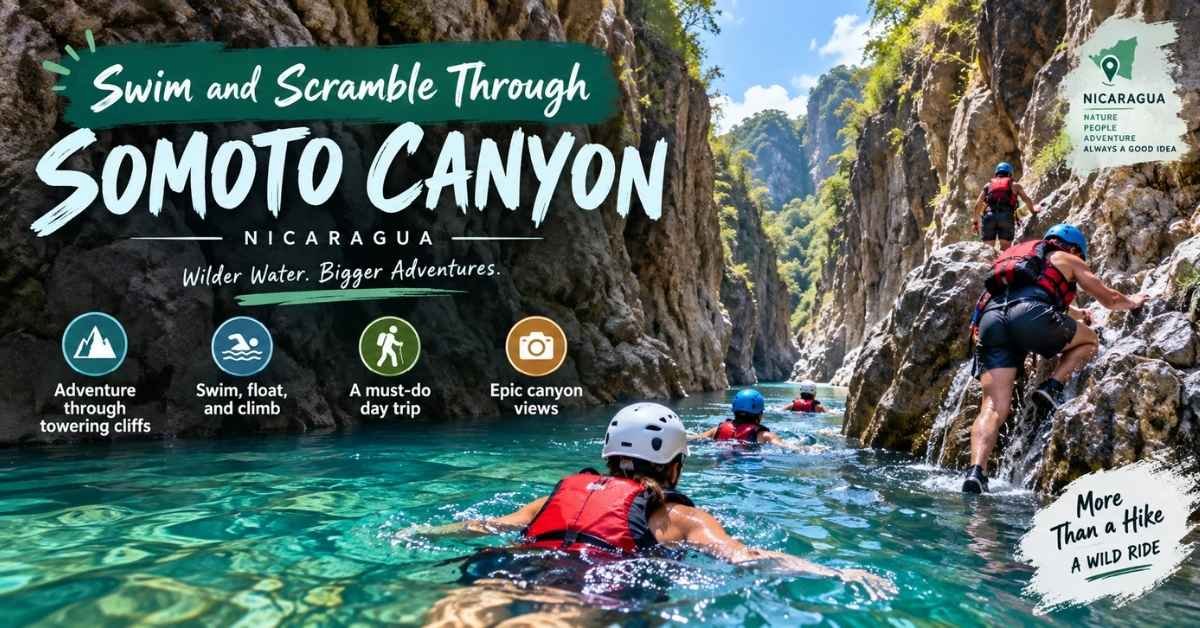
Somoto Canyon is one of the best off-the-beaten-path things to do in Nicaragua. Depending on the route and water conditions, an excursion may combine walking, scrambling, swimming, floating, or short boat sections between dramatic rock walls.
Choose the route according to your swimming confidence and mobility. Water shoes or secure footwear are more useful than loose sandals. Carry only essentials in a dry bag and follow local guidance about water levels and weather.
The canyon can be visited from the north, but long transportation from Nicaragua’s main tourist circuit makes an overnight stay sensible. It pairs naturally with Estelí or the Miraflor area.
Best for: Active travelers who want something beyond the colonial-city and beach route.
Ask before booking: What parts require swimming, what equipment is provided, and what happens if water conditions change?
21. Use Estelí as a Northern Base
Estelí offers a more local urban experience and a useful base for northern Nicaragua. Murals, markets, surrounding farms, and nearby natural areas give the city a different rhythm from Granada and León.
The region is closely associated with tobacco production, but its value extends beyond factory visits. It opens the door to Somoto Canyon, Miraflor, rural tourism, hiking, and cooler highland landscapes.
Estelí works best for travelers who want to understand Nicaragua beyond its most photographed attractions. Do not expect the concentrated architectural appeal of Granada; come for regional context and access.
22. Stay in the Miraflor Nature Reserve
The Miraflor Nature Reserve area rewards travelers willing to trade polished infrastructure for farms, forests, trails, birds, and community-based stays. Accommodation may be simple, and weather can be cool or wet compared with the Pacific lowlands.
A local guide adds value by identifying wildlife, explaining agricultural life, and helping visitors navigate rural trails. Ask where your payment goes, what meals and transportation are included, and what level of comfort to expect.
Miraflor is especially appealing after hot days in León or Estelí. It also gives your itinerary a slower, more personal chapter instead of another checklist attraction.
Best for: Birdwatchers, hikers, responsible travelers, and anyone seeking rural Nicaragua.
23. Explore the Coffee Country Around Matagalpa and Jinotega
Matagalpa and Jinotega sit among green northern landscapes associated with coffee production. Farm visits can connect altitude, climate, processing, labor, and taste in a way that a café stop cannot.
Choose tours that explain the complete production chain and treat workers respectfully. Coffee-harvest experiences are seasonal, but highland walks, local markets, and viewpoints can still justify a visit at other times.
These destinations suit repeat visitors and travelers interested in agriculture, community, and cooler scenery. They require more time than a quick detour, so add them as a northern extension rather than squeezing them between Granada and Ometepe.
24. Travel Along the Río San Juan
The Río San Juan offers one of Nicaragua’s most atmospheric journeys. Boats connect river communities and provide access to historic and natural attractions, including El Castillo and excursions toward the Indio Maíz Biological Reserve region.
El Castillo’s riverside fortress gives the journey historical focus. Rainforest excursions add biodiversity, but they also demand realistic expectations: heat, insects, rain, muddy ground, and wildlife that does not appear on command.
Arrange remote trips with knowledgeable local guides. Confirm:
- Permitted access
- Boat connections
- Accommodation
- Payment methods
- Communication options
- Weather alternatives
Carry cash and leave buffer time.
Best for: Wildlife lovers, photographers, history enthusiasts, and patient travelers.
Time needed: Three to five days once transportation is considered.
25. Slow Down in the Solentiname Archipelago
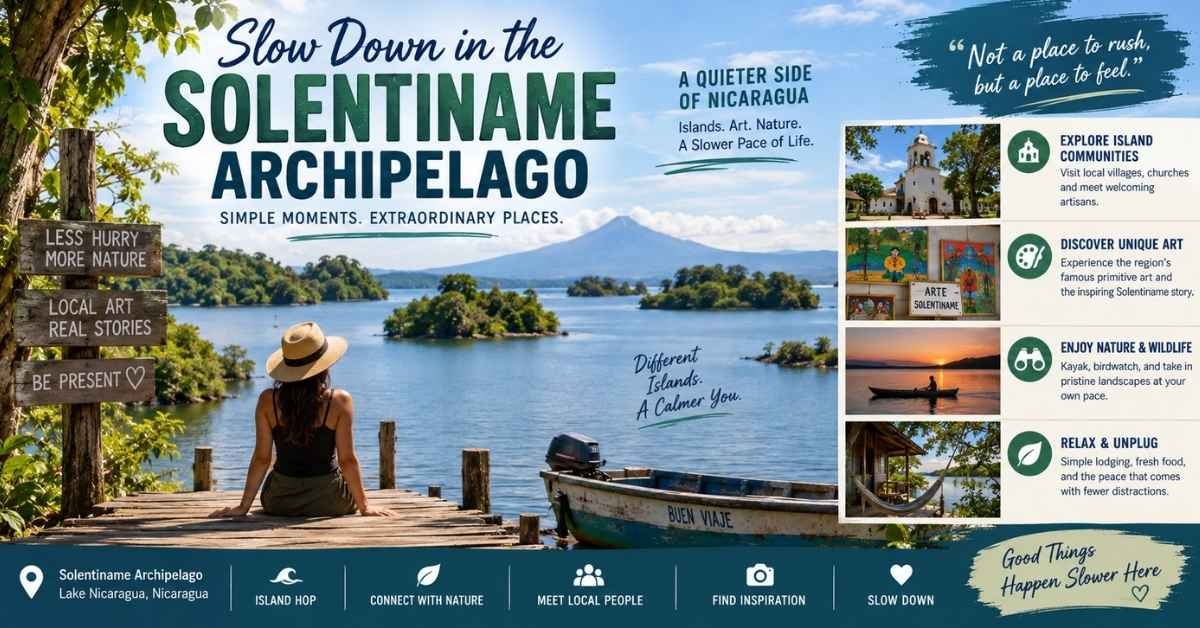
The Solentiname Archipelago in Lake Nicaragua combines island landscapes, art, community life, and a sense of remoteness. It is not a convenient addition, which is precisely why it appeals to some travelers.
Come for quiet observation rather than a packed attraction list. Research boat logistics carefully, communicate with your accommodation, and allow enough time for delays.
Solentiname fits travelers interested in art, nature, and slow travel. It is less suitable for a first visit with only a week.
Granada or León: Which City Should You Choose?
| Choose Granada if you want… | Choose León if you want… |
|---|---|
| A polished and convenient first base | A livelier, more local-feeling city |
| Easy access to Laguna de Apoyo and Mombacho | Easy access to Cerro Negro and Las Peñitas |
| Colorful colonial streets and courtyards | Murals, revolutionary history, and student energy |
| More boutique accommodation | More backpacker-oriented options |
If time allows, visit both. They are not interchangeable: Granada is the easier introduction, while León often provides the deeper cultural contrast.
Ometepe or Laguna de Apoyo?
Choose Ometepe when you have at least three nights and want an island journey with hiking, villages, farms, and multiple activities. Choose Laguna de Apoyo when you want a simple day trip or one-night retreat with minimal planning.
The biggest difference is not scenery; it is commitment. Ometepe becomes worthwhile when you accept its transfers and explore slowly. Laguna de Apoyo delivers relaxation with far less logistical effort.
Pacific Coast or Corn Islands?
The Pacific coast is easier to connect with Granada, León, and Ometepe. It suits surfers, road trips, and shorter itineraries.
The Corn Islands provide Caribbean water, diving, and a stronger feeling of escape, but require more time, money, and transportation flexibility.
For a trip of ten days or less, the Pacific usually makes more sense. For two weeks or longer, the Corn Islands can become a memorable final chapter.
A Realistic 7-Day Nicaragua Itinerary
Days 1–2: Granada
Explore the historic center and take an Islets of Granada boat trip.
Day 3: Laguna de Apoyo or Mombacho
Choose lake relaxation or cloud-forest hiking—not both if you want an unhurried day.
Days 4–6: León
Discover the city, then add Cerro Negro or Las Peñitas.
Day 7: Departure or Managua connection
Keep the final day realistic and avoid a risky same-day chain of local transportation and an international flight.
This route gives first-time visitors colonial history, a volcanic landscape, nature, and an optional beach without turning every day into a transfer.
A Balanced 10-Day Nicaragua Itinerary
- Days 1–2: Granada
- Day 3: Laguna de Apoyo or Mombacho
- Days 4–6: Ometepe Island
- Days 7–9: León, with Cerro Negro or Las Peñitas
- Day 10: Departure connection
Surf-focused travelers can replace León or Ometepe with San Juan del Sur, Playa Maderas, or Popoyo.
Avoid adding the Corn Islands unless flights, weather buffers, and the rest of the route make the detour genuinely comfortable.
A 14-Day Nicaragua Itinerary
Begin with a core route through Granada, Ometepe, and León, then choose one extension:
- Pacific extension: San Juan del Sur, Playa Maderas, Popoyo, or Las Peñitas
- Northern extension: Estelí, Somoto Canyon, Miraflor, Matagalpa, or Jinotega
- Caribbean extension: Big Corn and Little Corn islands
- Rainforest extension: Río San Juan, El Castillo, and a guided nature excursion
Selecting one extension creates a coherent trip. Attempting all four produces expensive transfers, rushed stays, and little room for weather changes.
See More: Things to Do Upper West Side: 25 Best NYC Experiences
Best Time to Visit Nicaragua
Nicaragua’s broad dry season is commonly associated with sunnier travel and easier road conditions, while the rainy season brings greener landscapes, heavier showers, and more variable trail or boat conditions.
The best month depends on what you want to do and where you are going.
For volcano hikes, check recent weather, trail status, and heat. And for surfing, match the coast and break to your ability rather than choosing solely by season. For diving and snorkeling, ask about current visibility and sea conditions.
For wildlife experiences, remember that nesting, migration, and sightings are seasonal and never guaranteed.
The smartest approach is to use seasonal patterns for initial planning, then confirm activity-specific conditions shortly before arrival.
How to Get Around Nicaragua
Tourist Shuttles
Shared shuttles are useful between established visitor destinations. They cost more than public buses but reduce transfers and uncertainty.
Confirm whether the service is door-to-door and whether large luggage costs extra.
Public Buses
Public buses are inexpensive and useful for flexible travelers. They can be crowded, indirect, and harder with large bags.
Keep valuables close and avoid relying on an unverified final departure.
Rental Cars
A car creates flexibility, particularly for beaches and rural areas, but road quality varies. Review insurance carefully, avoid night driving where conditions are unfamiliar, and check whether your accommodation requires traveling on rough roads.
Ferries and Boats
Ometepe, the Corn Islands, Río San Juan, and Solentiname all involve water transportation. Schedules and conditions can change, so build buffer time around important connections.
Domestic Flights
Flying can make a Caribbean extension possible without sacrificing several overland days. Even so, confirm baggage rules, schedules, airport transfers, and a backup plan.
What to Book Before You Arrive
Book early when availability or transportation could shape your complete itinerary:
- Domestic flights
- Limited island accommodation
- Reputable dive courses or specialist dives
- Small community stays
- Rental cars during high-demand dates
Confirm shortly before the activity:
- Volcano hikes and park access
- Cerro Negro tours
- Boat and wildlife excursions
- Surf lessons
- Somoto Canyon routes
- Ferry and lancha times
Keep city walks, markets, ordinary beach days, and flexible food stops open. A completely prepaid itinerary leaves little room for weather or transportation changes.
Common Nicaragua Planning Mistakes
- Trying to visit every region: Nicaragua looks compact on a map, but indirect transportation adds time.
- Giving Ometepe one night: The journey overwhelms the experience.
- Treating volcano hikes as casual walks: Heat, mud, elevation, and exposure matter.
- Assuming every Pacific beach is safe for swimming: Currents and surf vary.
- Choosing adventure tours by price alone: Equipment, guides, and emergency planning matter more.
- Relying on old timetables: Ferry, boat, flight, and park information can change.
- Arriving in remote places without cash: Card acceptance and ATMs are not universal.
- Booking a tight island-to-flight connection: Boats and weather do not respect your itinerary.
- Expecting strong internet everywhere: Download essential details before remote travel.
- Ignoring the midday heat: Start city walks and exposed hikes early.
Use the ROUTE Test Before Adding Another Destination
Before changing your itinerary, ask:
- Region: Does the destination fit your direction of travel?
- Objective: Does it add a new experience?
- Useful time: Can you stay long enough to enjoy it?
- Transport: Is the journey worth the effort?
- Exit plan: What will you do if access or weather changes?
For example, Little Corn Island may add Caribbean diving and car-free island life, but it also requires flights or long connections, a boat, and weather flexibility.
If you only have two free days, extending your Pacific stay will usually produce a better trip.
Use the FIT Test Before Booking an Adventure
- Fitness: Can every participant complete the activity safely?
- Inclusions: Are transportation, equipment, guides, entrance fees, and safety gear included?
- Timing: Do the season, weather, tide, and time of day work?
Apply this test to Cerro Negro, Ometepe volcano hikes, Somoto Canyon, surfing, and diving. The most exciting option is not automatically the best option for your group.
Safety and Responsible Travel in Nicaragua
Travel advice should be checked close to departure, not copied from an undated blog.
As of May 14, 2026, the U.S. State Department lists Nicaragua at Level 3: Reconsider Travel, citing crime, health, wrongful detention, and arbitrary enforcement of local laws. Read the complete U.S. Nicaragua Travel Advisory, because a headline alone does not explain the risks or recommended precautions.
British travelers should also review the current UK FCDO Nicaragua guidance, including safety, insurance, entry requirements, and legal differences.
Whatever your nationality, use advice issued by your own government and assess your personal circumstances. Avoid political activity, understand local laws, keep copies of important documents, arrange appropriate travel insurance, and know what medical assistance your policy covers.
For everyday travel, protect valuables, use trusted transportation, avoid unnecessary night journeys, and ask accommodation staff about current local conditions.
For outdoor activities, pay equal attention to heat, dehydration, water safety, volcanic conditions, insects, and limited medical access in remote areas.
Responsible travel also means:
- Hiring local guides where their knowledge adds safety and context
- Following protected-area rules
- Keeping a respectful distance from wildlife
- Avoiding flash photography around nesting turtles
- Reducing single-use plastic
- Asking before photographing people
- Learning basic Spanish phrases
- Spending with locally owned accommodations, restaurants, and cooperatives
Frequently Asked Questions About Things to Do in Nicaragua
What Is the Best Thing to Do in Nicaragua for a First Visit?
The strongest first-trip combination is Granada, León, one volcano experience, and either Ometepe or Laguna de Apoyo. It provides culture, nature, and adventure without requiring constant long-distance travel.
How Many Days Do You Need in Nicaragua?
Seven days is enough for Granada, León, and one nearby nature experience. Ten days allows time for Ometepe or the Pacific coast.
Two weeks is better if you want to include the Corn Islands, northern highlands, or Río San Juan.
Is Nicaragua Worth Visiting?
Yes, particularly for travelers attracted to volcanoes, colonial cities, surfing, crater lakes, islands, and less-developed nature destinations.
It is less suitable for anyone expecting seamless resort infrastructure or unwilling to manage changing transportation and official travel considerations.
Is Granada or León Better?
Granada is better for a convenient, visually polished introduction. León is better for revolutionary history, student energy, murals, Cerro Negro, and easy access to Las Peñitas.
Visit both if your itinerary allows.
Is Ometepe Island Worth Visiting?
Ometepe is worth visiting when you can stay at least three nights. It is a weak choice for a rushed overnight stop because ferry and island transportation consume a meaningful part of the trip.
Can You Travel Around Nicaragua Without a Car?
Yes. Public buses, shared shuttles, taxis, ferries, boats, and domestic flights connect many major destinations.
A rental car is useful for flexibility but is not essential for a standard Granada–León–Ometepe route.
What Are the Best Free Things to Do in Nicaragua?
Walking through Granada and León, visiting public markets, watching Pacific sunsets, and enjoying accessible beaches can cost little or nothing.
Transportation, parking, guides, protected-area access, or facilities may still involve a fee.
What Are the Best Things to Do in Nicaragua With Family?
Good family choices include Granada, an appropriate Islets boat trip, Laguna de Apoyo, Ojo de Agua, gentle Ometepe nature outings, and relaxed beach time.
Check life jackets, water depth, heat exposure, and journey length before booking.
Where Is the Best Surfing in Nicaragua?
Playa Maderas is convenient for lessons near San Juan del Sur. Popoyo attracts more dedicated surfers and includes challenging reef conditions. Las Peñitas works well when combined with León.
The right beach depends on your ability, the swell, the tide, and the atmosphere you want.
Are the Corn Islands Worth the Trip?
The Corn Islands are worthwhile for diving, snorkeling, Caribbean beaches, and slow island life—especially on a trip of two weeks or more.
They are less practical when you have only a few days or a tight onward flight.
Can You Combine Nicaragua and Costa Rica?
Yes, particularly through southern Nicaragua, but do not assume border procedures remain unchanged.
Check official entry rules for both countries, carry any required proof of onward travel, and allow sufficient time for the crossing.
Plan a Nicaragua Trip That Fits You
The best Nicaragua itinerary is not the one with the most pins on a map. It is the one that gives each place enough time to become an experience rather than another transfer.
For most first-time visitors, begin with Granada and León, choose Cerro Negro, Mombacho, or Ometepe for volcanic scenery, then finish with Laguna de Apoyo, the Pacific coast, or the Corn Islands according to your schedule.
Add Somoto Canyon, Miraflor, coffee country, Río San Juan, or Solentiname only when you have the days—and patience—to enjoy them properly.
Choose with geography, fitness, season, and transportation in mind. Nicaragua will feel far more rewarding when you leave room for a slow boat, a long sunset, and the occasional change of plan.